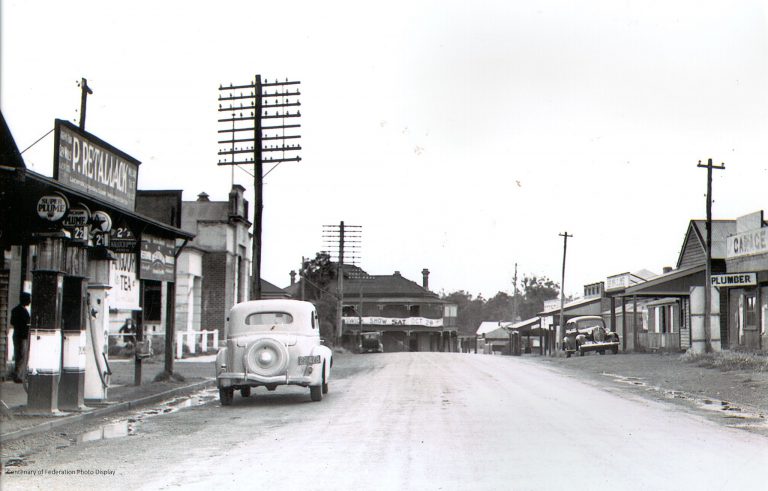
The Brunswick Heritage Drive Trail encourages meander through the Brunswick hinterland to uncover some of the oldest farms and places in Western Australia.
Brunswick developed from a small riverside settlement into an important rural service town, shaped by the Brunswick River/Mealup Bilya, the arrival of the railway in the late 19th century, and the growth of the dairy and agricultural industries. Over time, these forces supported steady population growth and established Brunswick as a key centre for surrounding farming communities.
This trail is a self-guided driving route to heritage places best experienced from the road.
Please note that many of the properties are privately owned and are not open to the public – viewing from the road only.
Download the Brunswick PDF map here.
Walking Trail
An easy, self-guided walk through the town centre, linking key heritage sites within comfortable walking distance.
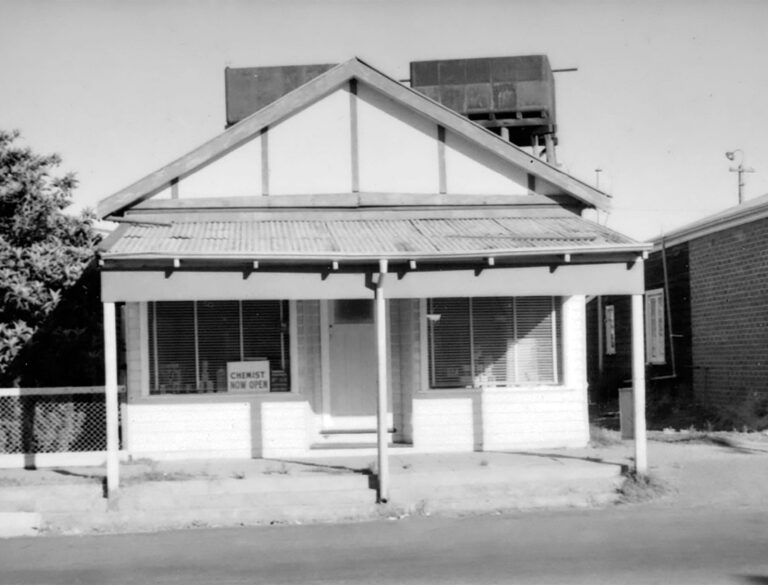
1. Brunswick Information Bay & Boarding House
This is the starting point of the trail, marked by a map of the Brunswick town centre. The site was once home to a boarding house for local workers and later operated as a pharmacy.
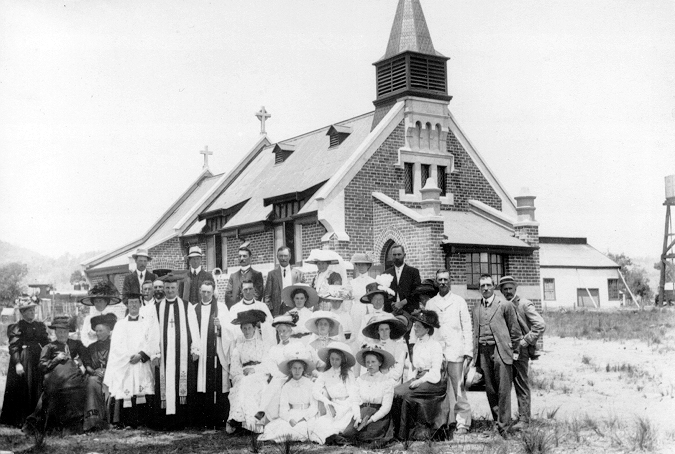
2. St Peter’s Anglican Church 1907
St Peter’s Anglican Church, built in 1907, remains one of Brunswick’s most charming landmarks.
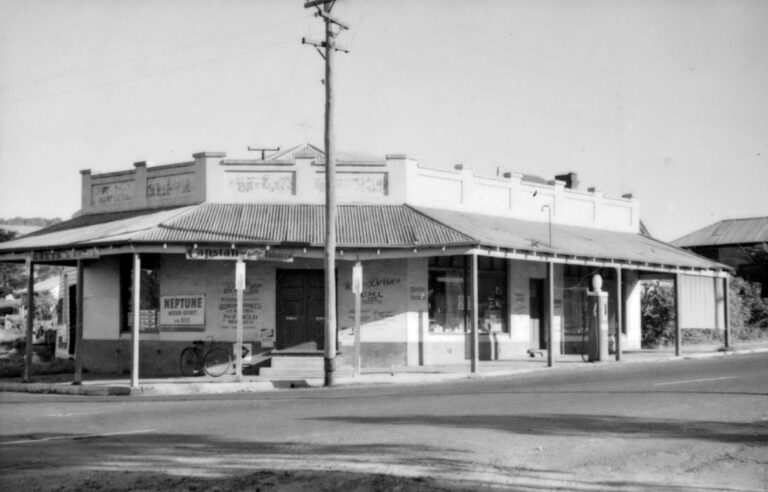
3. Dorries’ Corner & Cosy Corner Tearooms 1930s
Locals affectionately refer to this site as “Dorries’ Corner”, named after Henry Knighton Toll “Blue” Dorries and his wife Ethel Mary “Molly” Dorries, who ran the Brunswick General Store from 1948 to the early 1960s.
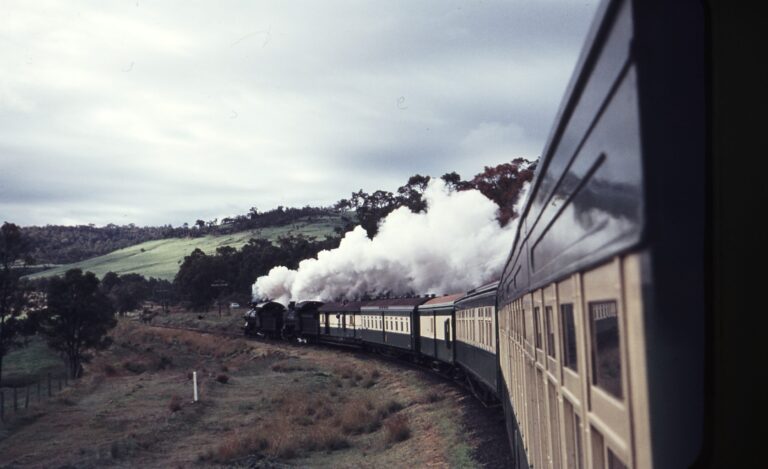
4. Brunswick Pioneer & Community Wall and Brunswick Junction Rail Heritage Display
The Brunswick Pioneer & Community Wall commemorates early settlers and past residents of the District. A shaded picnic area is located behind the wall. which includes a display on the Rail Heritage of Brunswick.
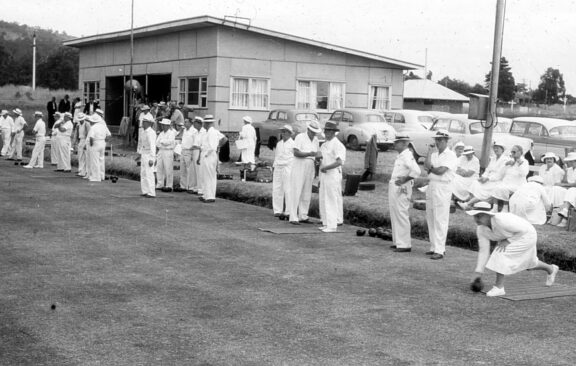
5. Brunswick District Bowling Club 1958
Developed through steady local effort, this site became the home of the Brunswick District Bowling Club after years of planning and discussion about where a bowling facility should be established in the district.
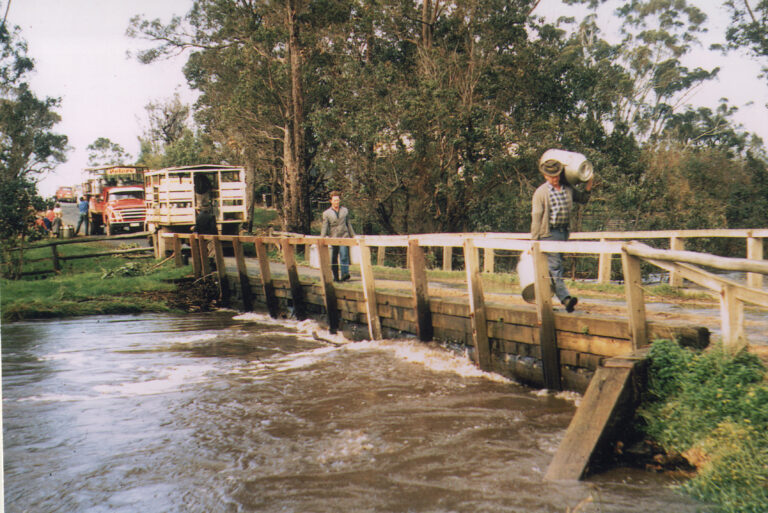
6. Brunswick River Road Bridge 1929
The Brunswick River Road Bridge spans the Brunswick River along the South West Highway and has been a vital link for the community since its construction in 1929. The August 1964 floods had a major impact on commerce, transport, and people across the Shire of Harvey, with Brunswick Junction particularly affected when this bridge collapsed.
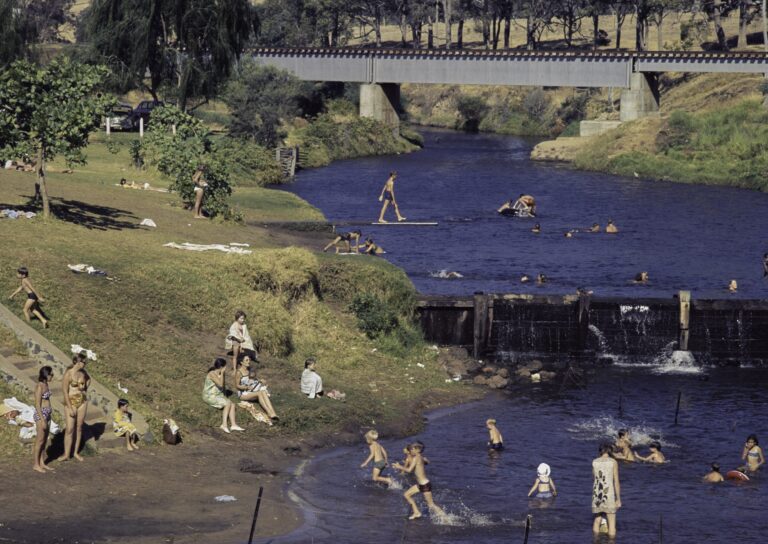
6. Brunswick River Swimming Hole 1952
The Brunswick Swimming Hole was created in 1952 thanks to the dedication and fundraising efforts of local residents. For decades, it has been a popular gathering place for residents and visitors alike and hosted swimming lessons and carnivals until the 1980s.
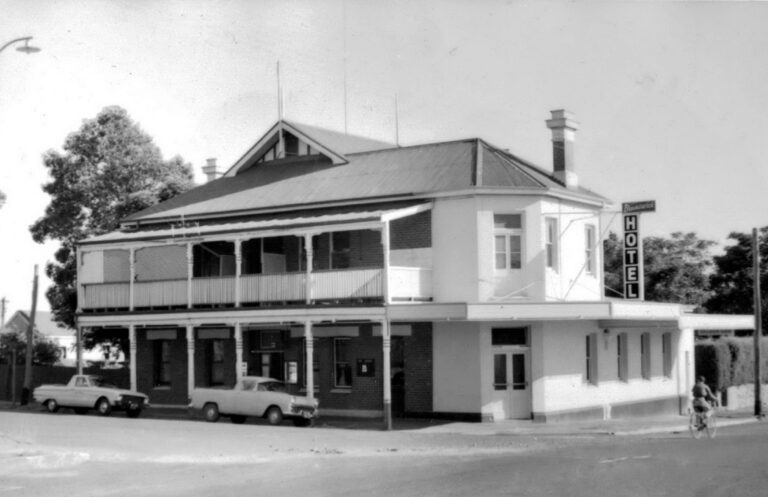
7. Brunswick Hotel 1916
A cornerstone of Brunswick’s social life since the early 1900s, the Brunswick Hotel opened in 1916 and quickly became the heart of the community. Now known as the Brunswick Tavern, the building has been extensively renovated and continues to welcome both locals and visitors.
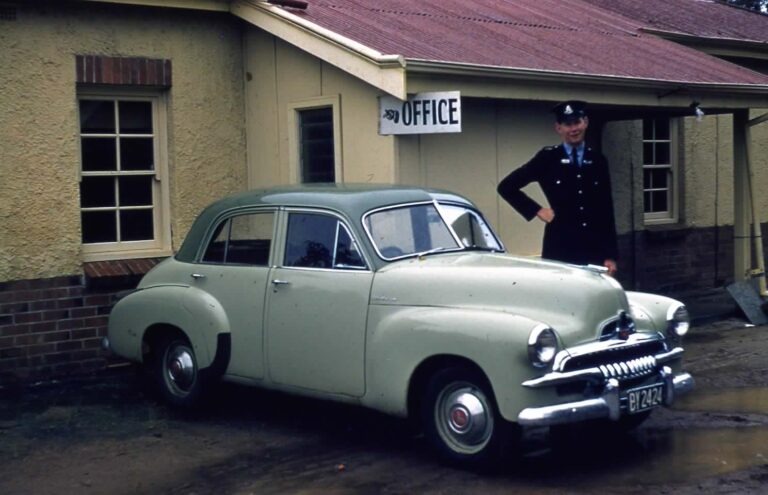
8. Former Police Station Precinct 1954
From the early 1930s, the Brunswick community and the Roads Board tirelessly lobbied the Commissioner of Police to establish a permanent police station in the town. Their efforts were realised in 1954 with the completion of the police station and quarters. Now private residences, the buildings stand as a reminder of the community’s long-standing advocacy for safety in Brunswick.
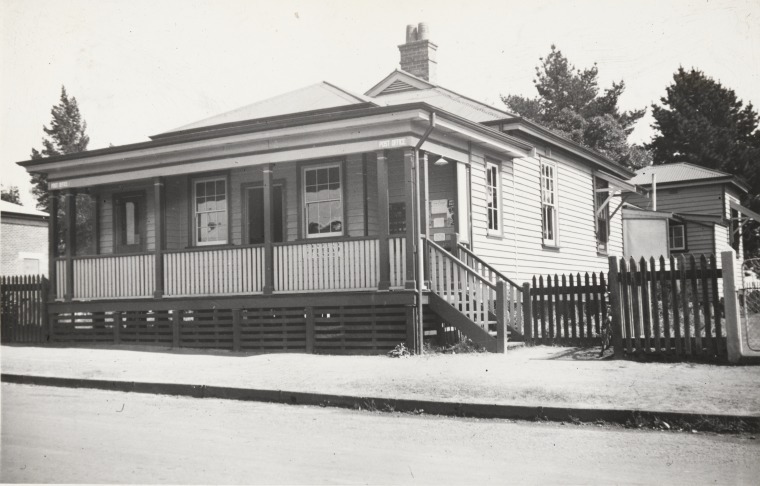
9. Brunswick Junction Post Office 1896
The quaint Brunswick Junction Post Office has been in continuous operation since 1896. While minor alterations and additions have taken place over the years, the building remains largely as it was originally constructed.
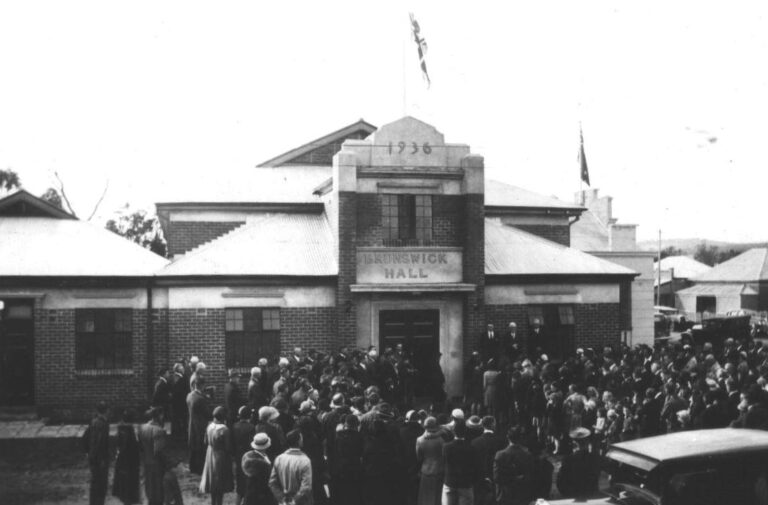
10. Brunswick Hall 1894
The historic Brunswick Hall, also known as the Memorial Hall and Town Hall, stands pride of place on the main street of Brunswick and hosts many events. Over the years, the Hall has welcomed weddings, debutante balls, concerts, and the much-loved Thursday picture nights.
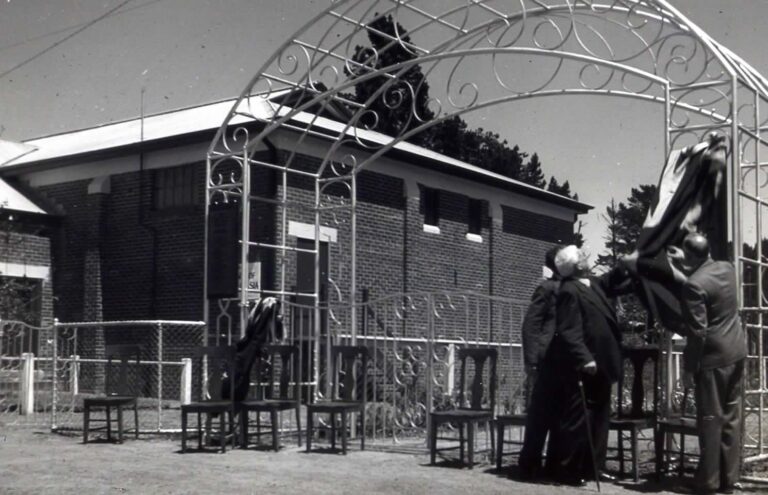
10. Brunswick War Memorial
Adjacent to the Brunswick Hall, the Brunswick War Memorial is a monument with a metal arch commemorating those who died in service or were killed in action in World Wars One and Two.
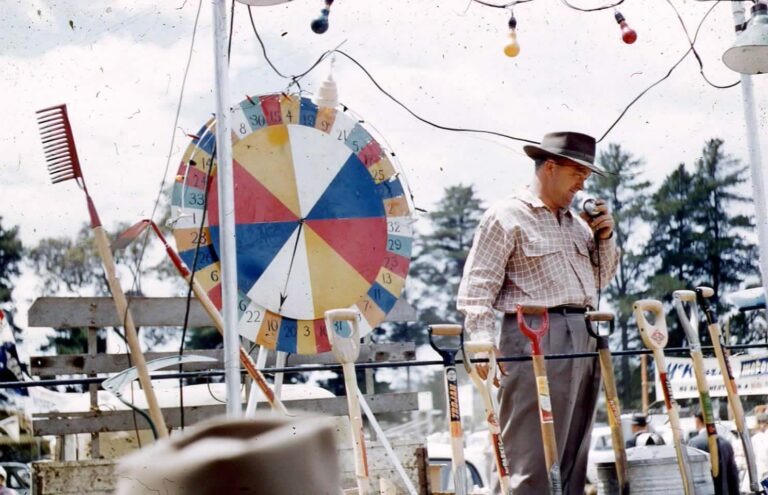
11. Brunswick Recreation Ground 1930s
The Brunswick Recreation Ground have been a central gathering place for community life since the early 1930s. Since then, the site has supported sport, agriculture and public events, and has undergone significant upgrades, including the addition of the recreation centre.
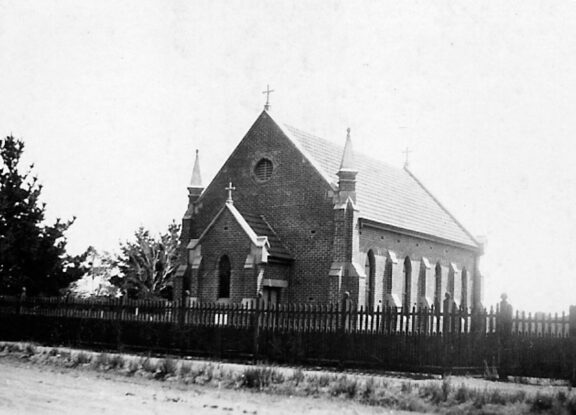
13. Our Lady’s Assumption Catholic Church 1922
Opened in 1922, this historic church is part of the Catholic Diocese of Bunbury and has long been a centre of faith and community life in Brunswick. In 1956, the annual Fiesta celebration of Our Lady’s Assumption was introduced and continues to this day.
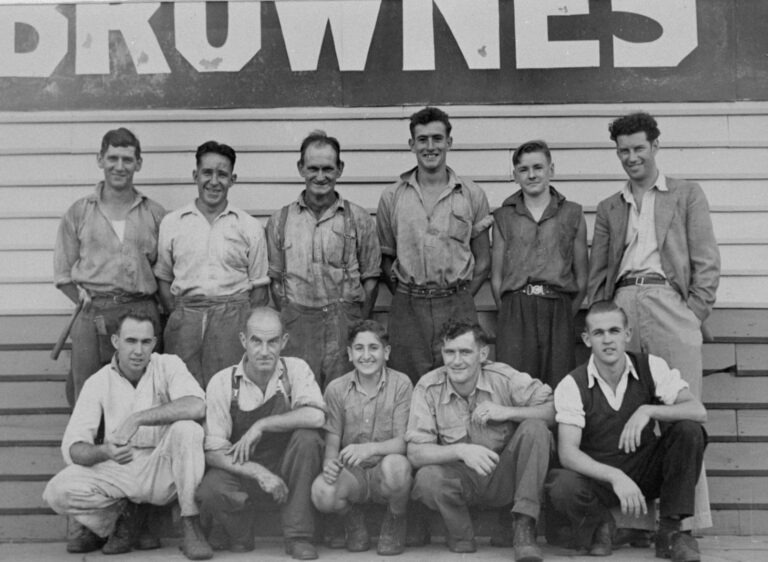
14. Brownes Dairy 1926
Brownes Dairy, also known as Peters Dairy, has been a cornerstone of Western Australian dairy production, with its Brunswick factory continuing to serve the community today.
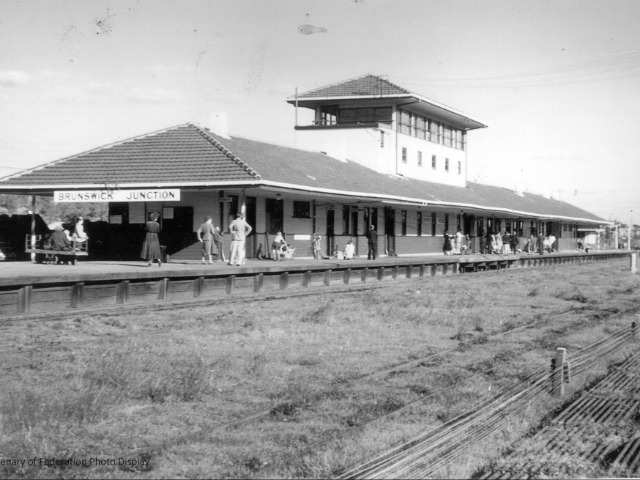
15. Brunswick Junction Railway Precinct Historic Site 1893
The earliest station, opened in 1893, and was a single-line station with a building on the west side of the track. After growth in the town The precinct continued to grow and in 1941, an impressive two-storey Railway Station was established. At the time, it was the most modern Railway Station in the State Railway System.
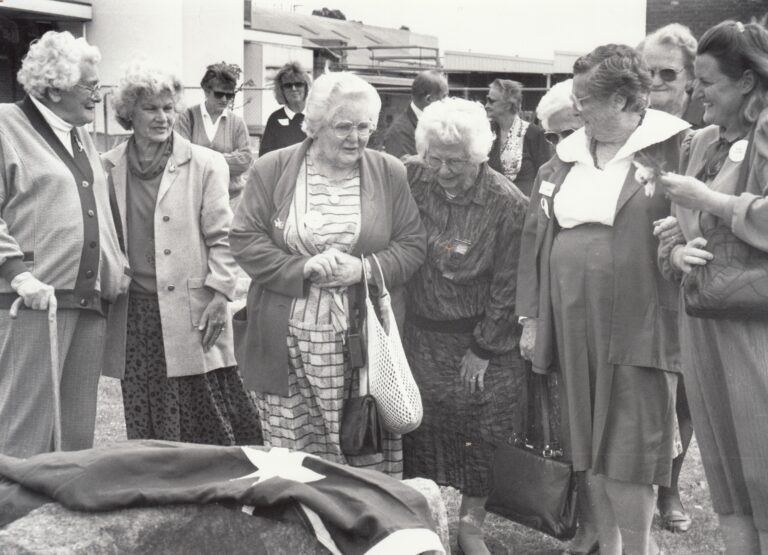
16. Country Women’s Association Brunswick Site 1932
For decades, the Brunswick Country Women’s Association offered support to the community, caring and connecting in times of need.
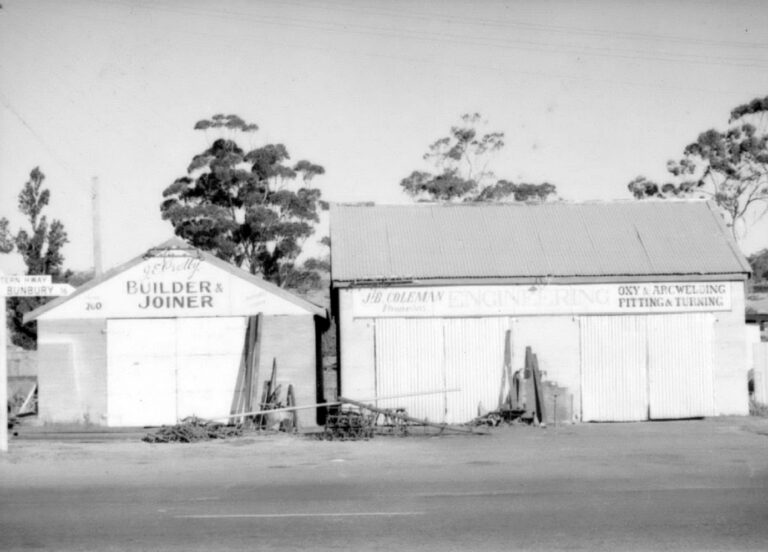
17. Ommaney Road Workshops 1930s
This site has long been a place of making and mending — from the clang of the blacksmith’s forge to the hum of machinery and the smell of timber and oil.
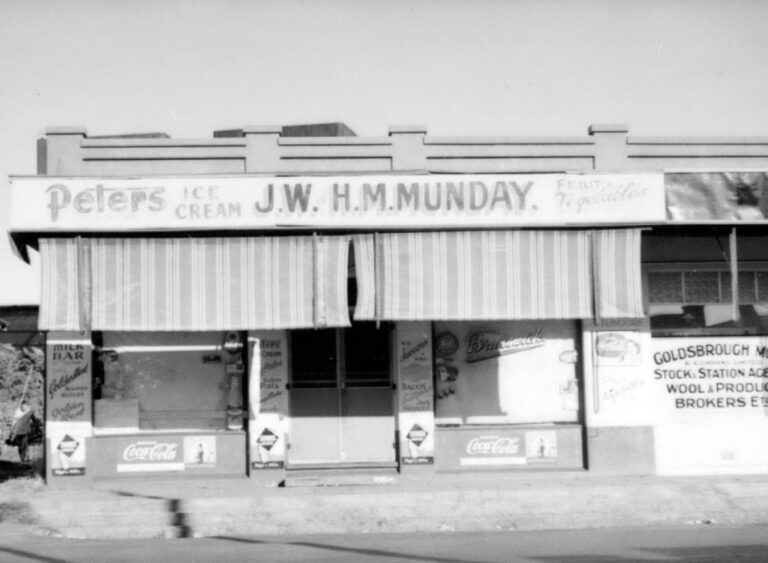
18. Daff’s Greengrocer and Deli 1940
For many years, this building served the daily needs of Brunswick locals. The “100-Mile Peg” from Perth was once located at the front of the shop.
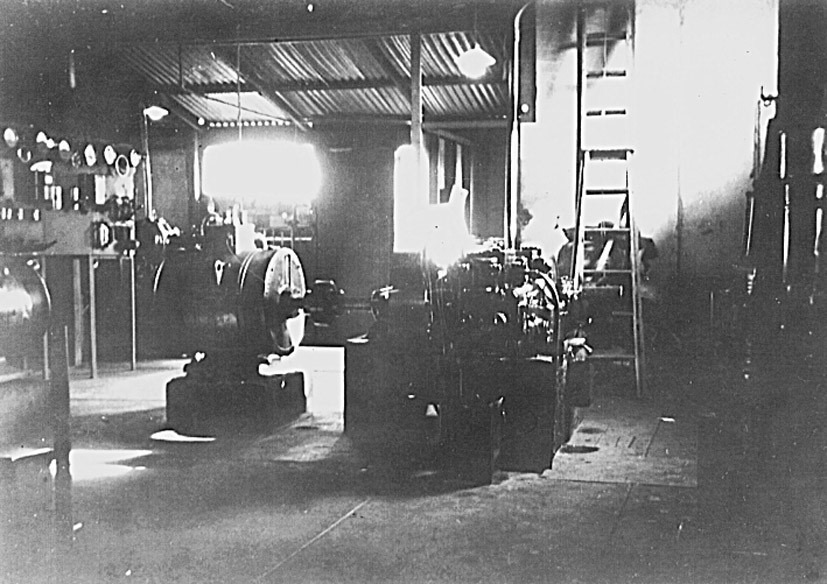
19. Former Power Station Precinct
Built to house the Manager of the Brunswick Electric Lighting Company, this residence played a key role in bringing electricity to the town, with the original power station operating just behind the building.
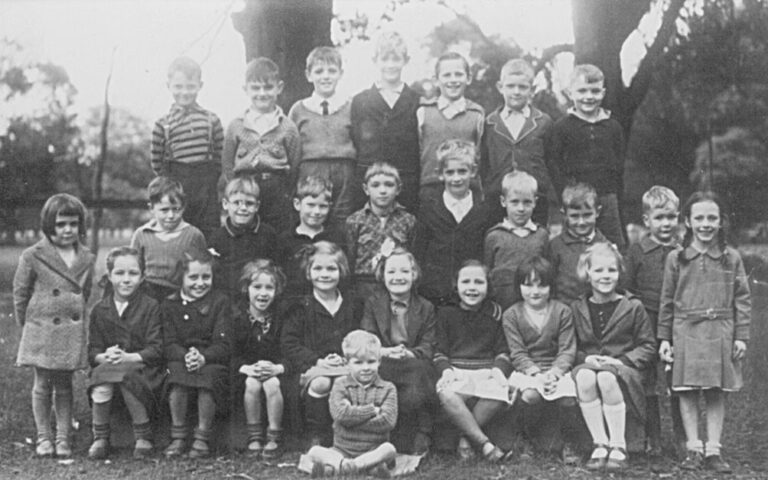
1. Brunswick State School Site 1896
Among the farms and bushland of early Brunswick, a small schoolhouse was built for the district’s children.
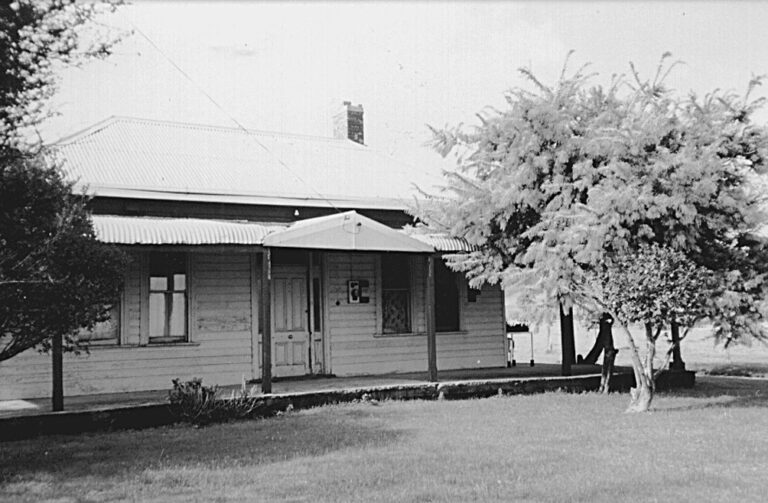
2. Viewbank 1860s
Built in the 1860s, Viewbank was home to the pioneering Crampton family and a key stop for mail coaches on the Perth–South West route.
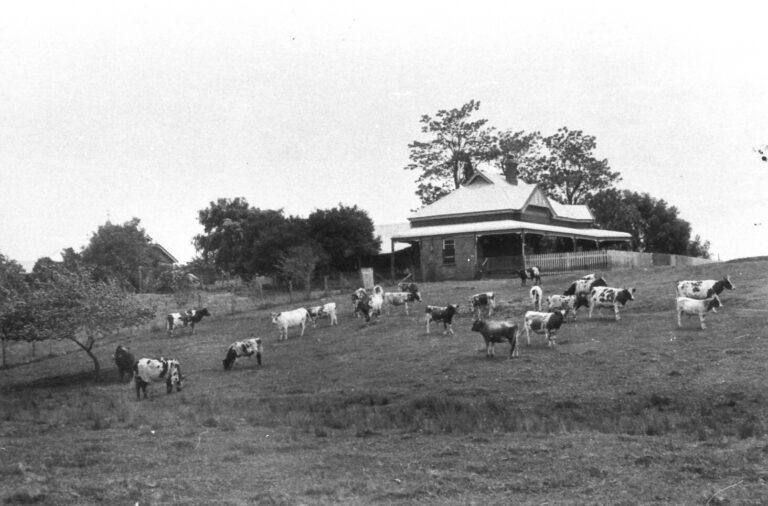
3. Melville Park 1849
Melville Park is one of the earliest farming properties in the Brunswick area, with a rich history dating back to the 1840s.
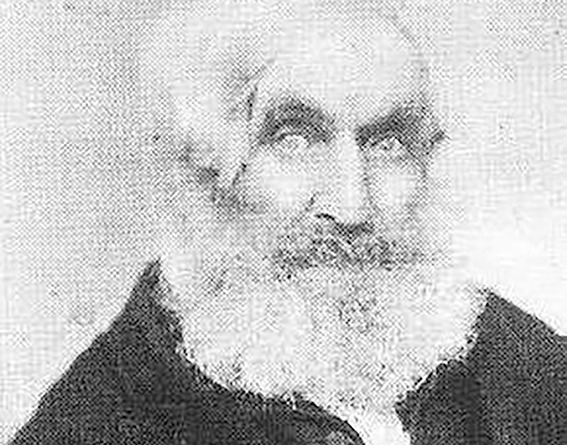
4. Frogmore Estate 1843
Frogmore was first settled by pioneer settler, David Eedle. Later, his daughter Maria and her husband Robert John Heppingstone resided at Frogmore from the 1870s.
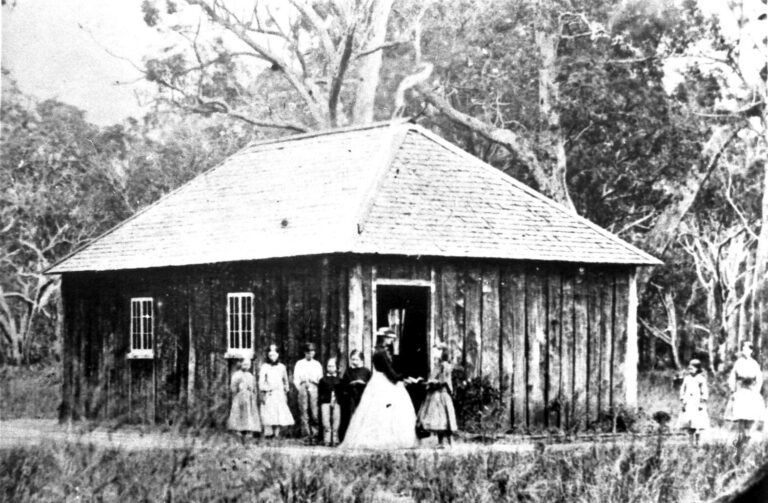
5. Old School House Site at Frogmore 1864
The first school in Brunswick was built by early settlers in 1864 at Frogmore, a farming estate owned by David Eedle. Known as the Old School House, it served the small farming community until it was destroyed by fire.


6. Alverstoke Farm 1842
Alverstoke is a stunning historic farm on the Brunswick River. The State Heritage Listed property was the first farm in the area, established in 1842 by the Chief Commissioner of the Western Australian Land Company, Marshall Waller Clifton.

7. Clifton School 1905
Following a promise of a school for early Clifton Agriculture Area settlers, the Clifton family gave two five-acre blocks, on the corner of Clifton and Alverstoke Roads, to the Public Works Department with the intention that one be used for a school and one for a hall.
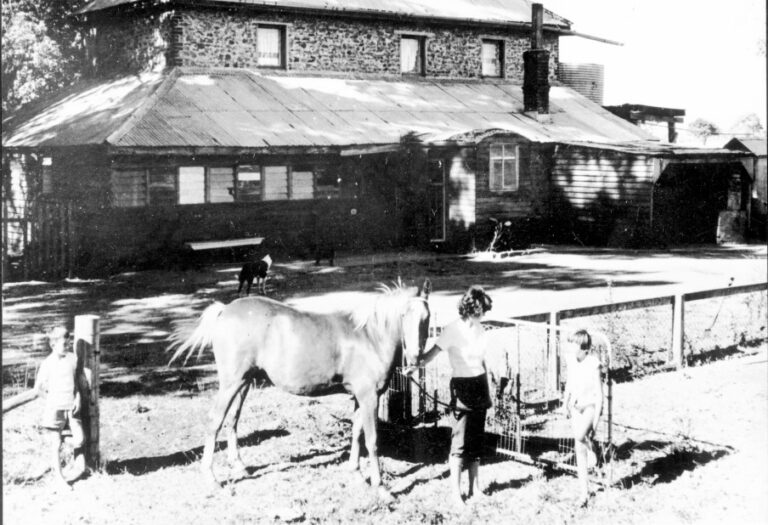
8. Bridgemore 1856 and Brunswick State Farm 1900
The Old Brunswick State Farm was established on land originally owned and developed by James Perren, on which he built a home that he named Bridgemore, circa 1856.
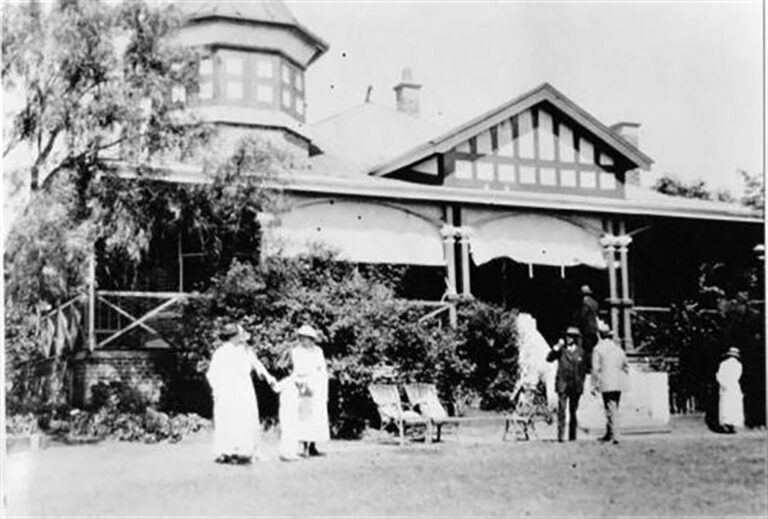
9. Wedderburn Park 1842
Wedderburn Park was acquired by Dr John Ferguson in 1842, he named the property ‘Wedderburn’ after his wife Isabella’s forebears.