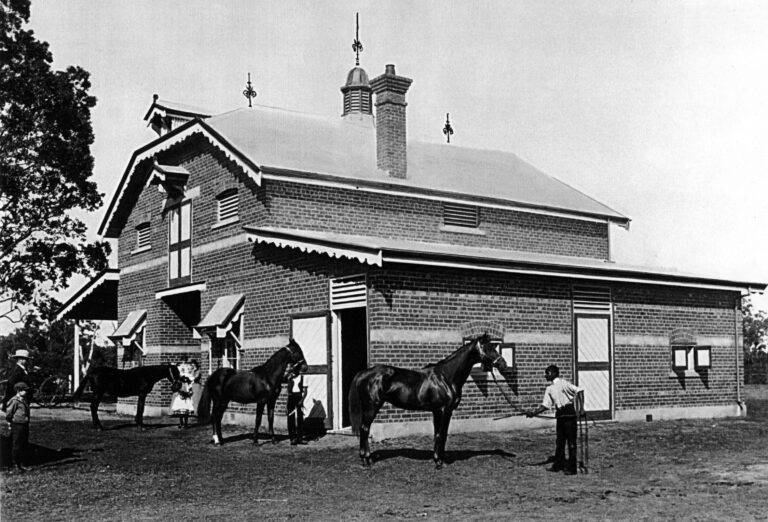
Brunswick Hall 1894
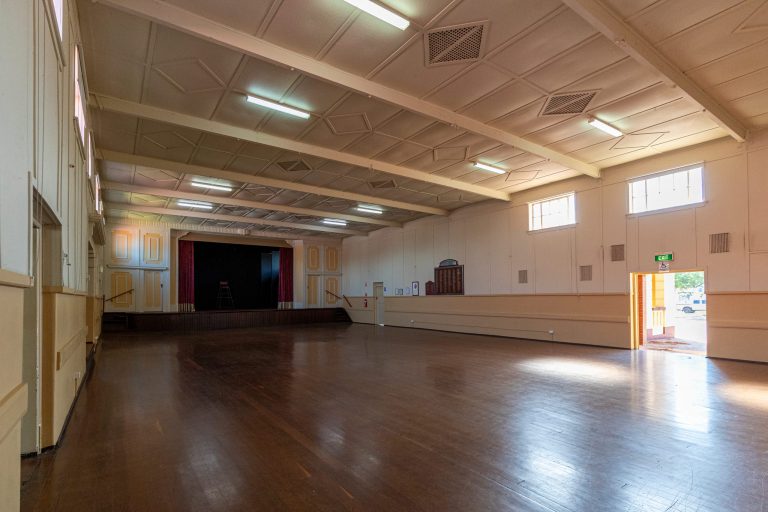
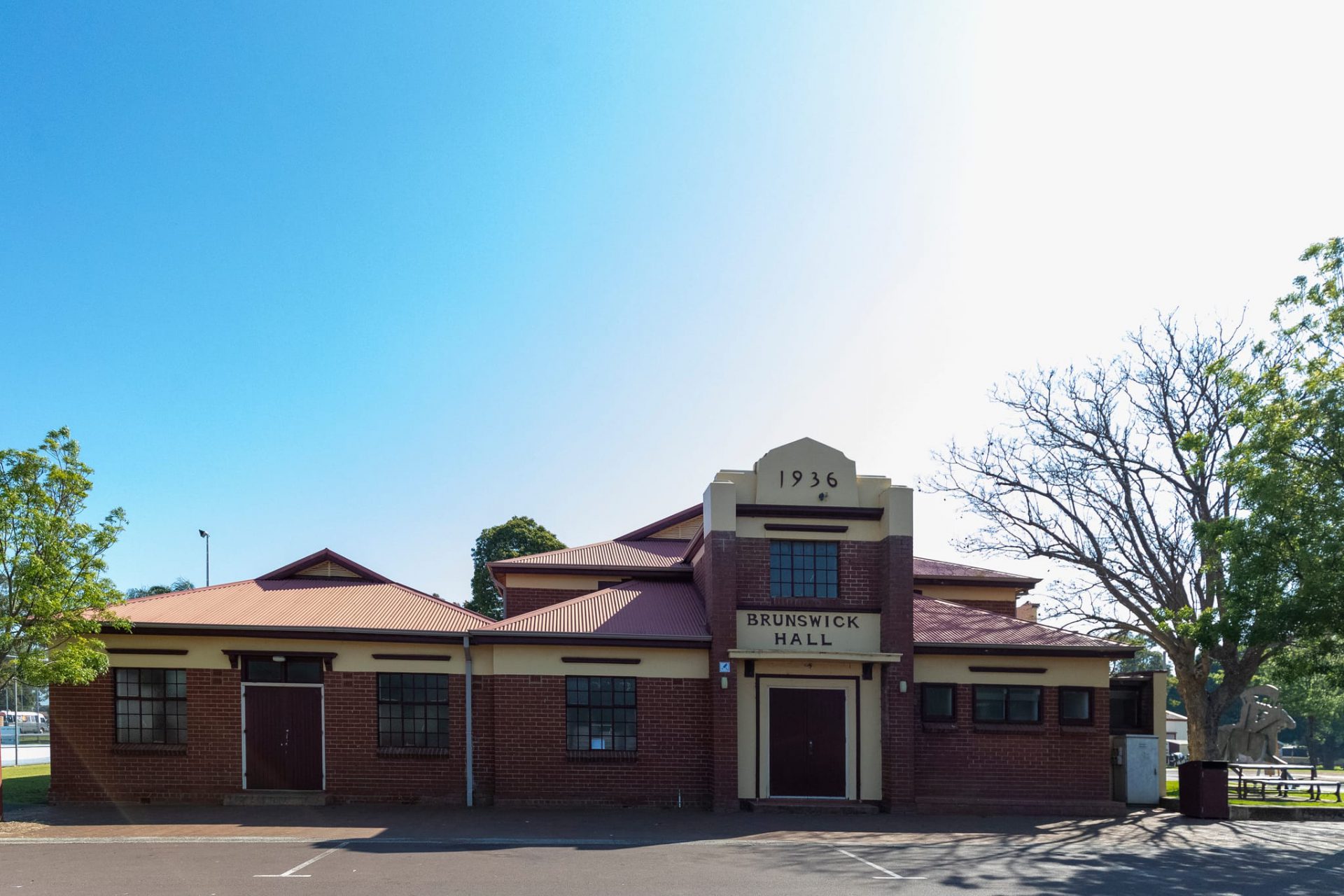
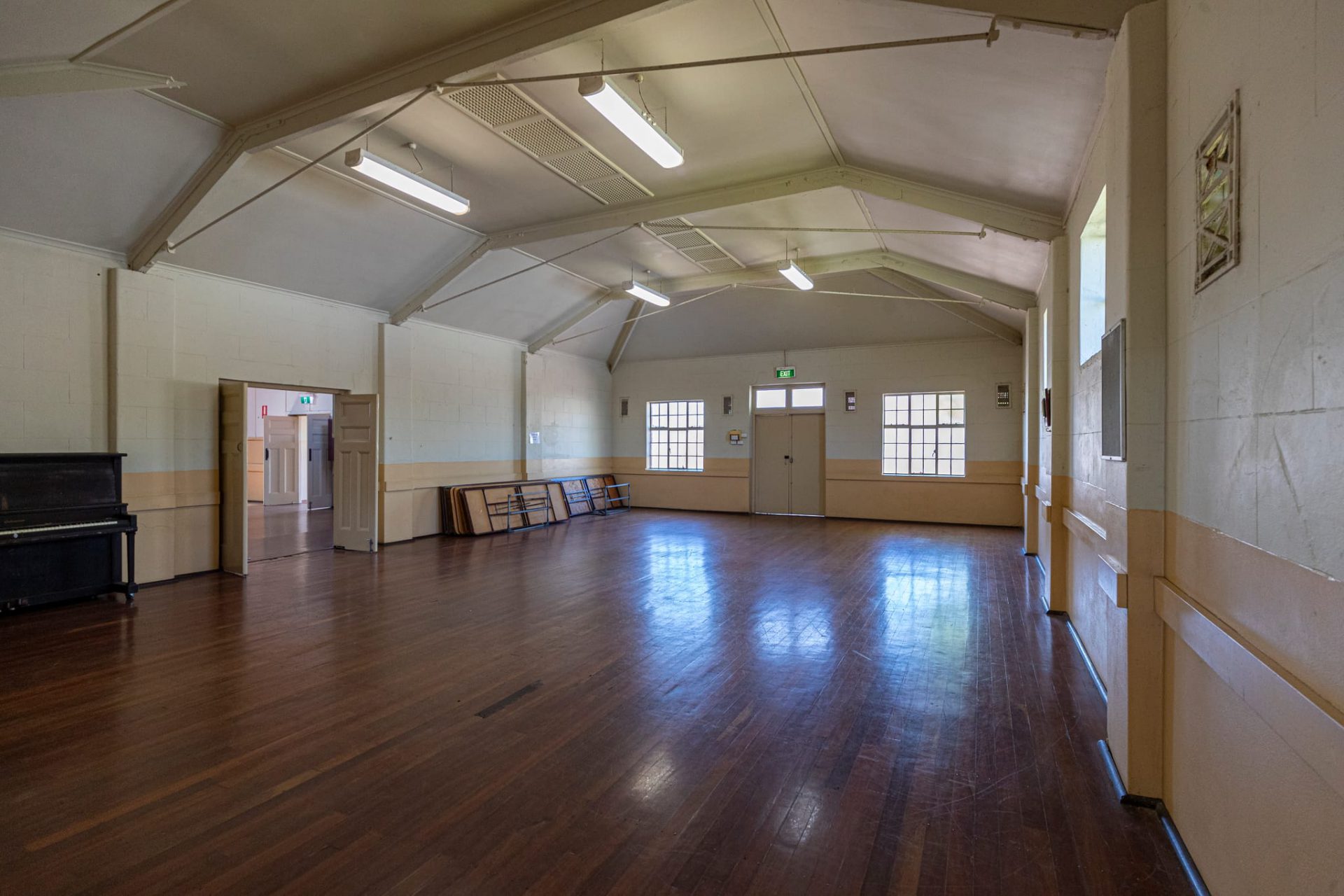
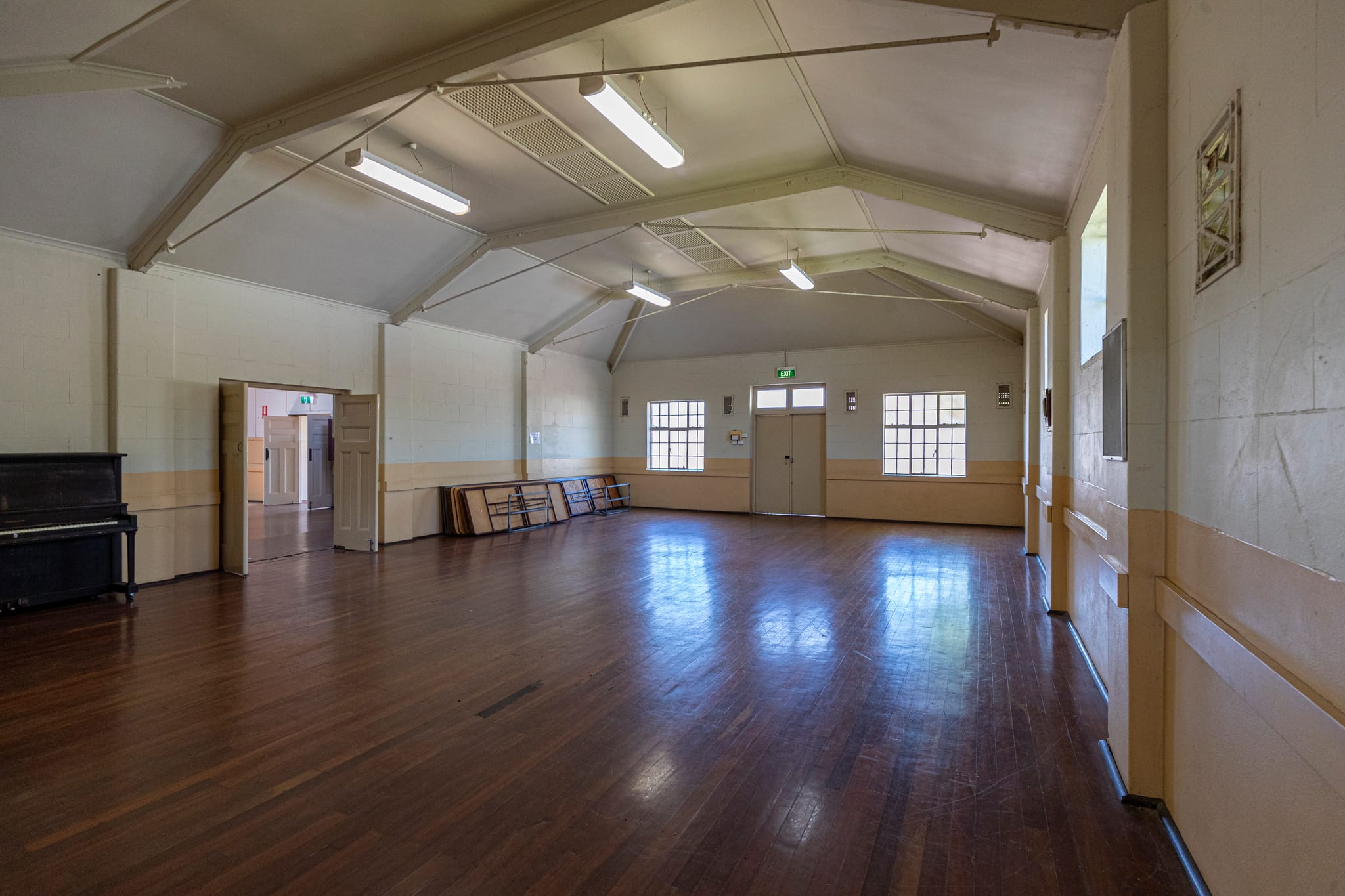
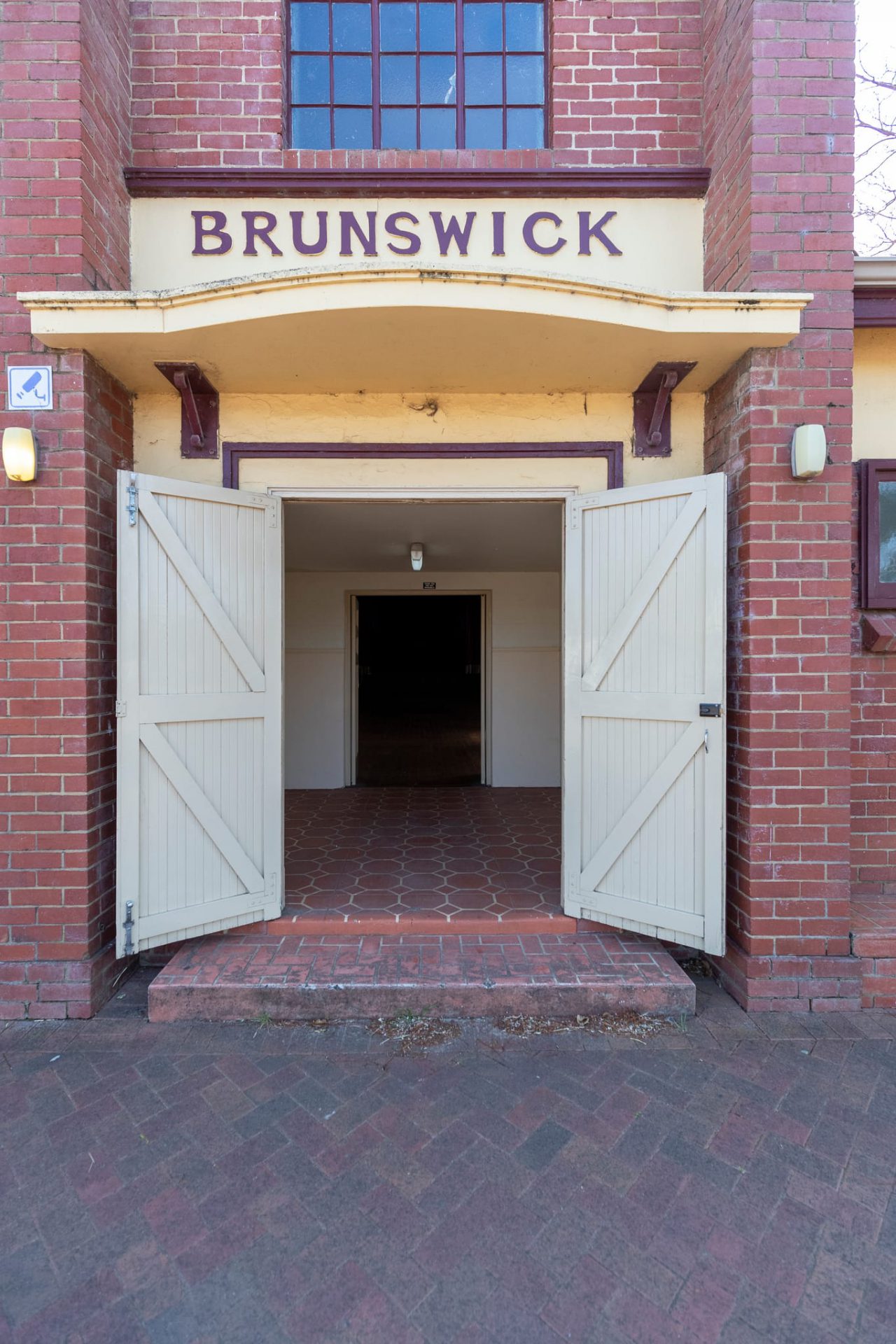
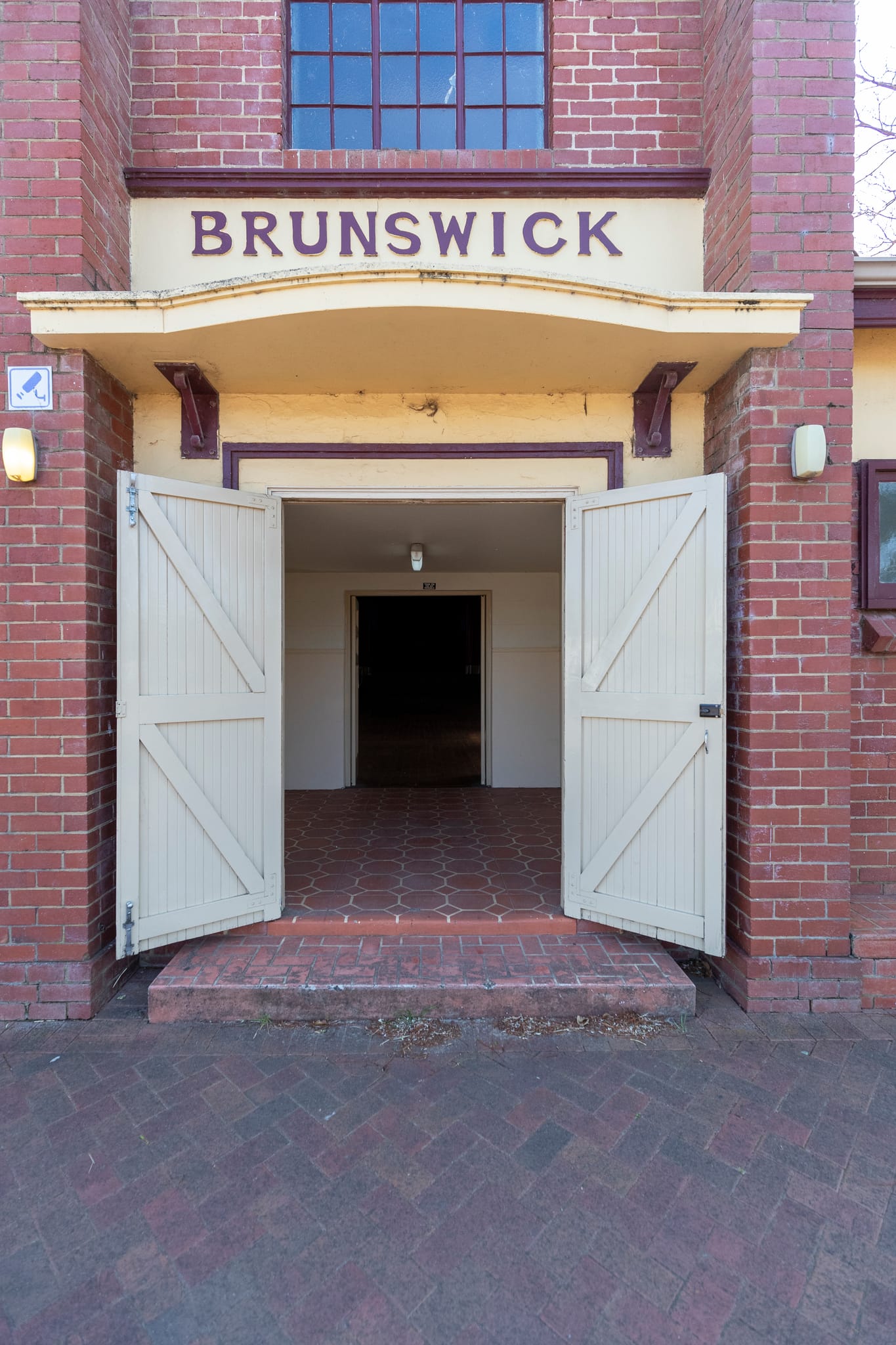
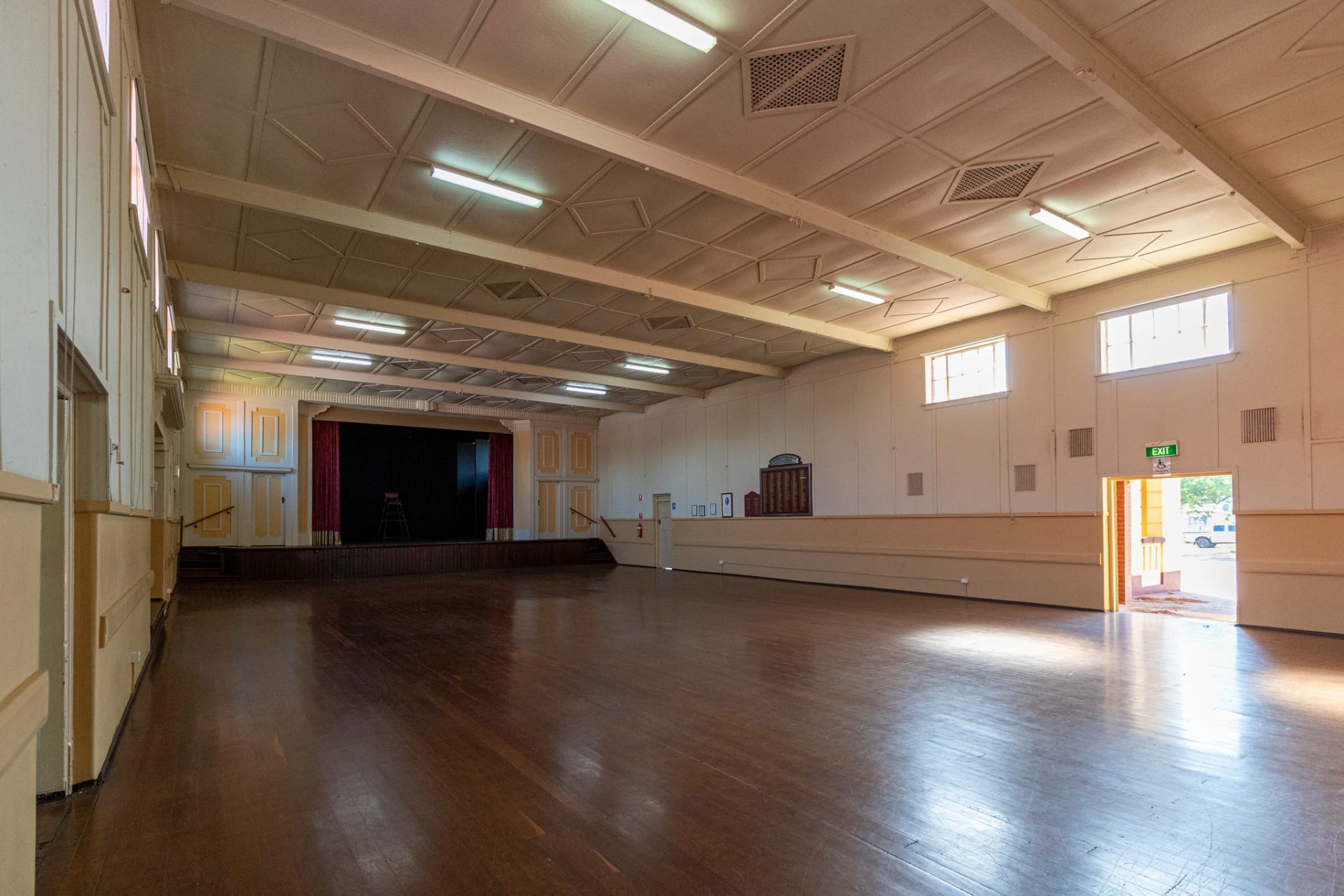
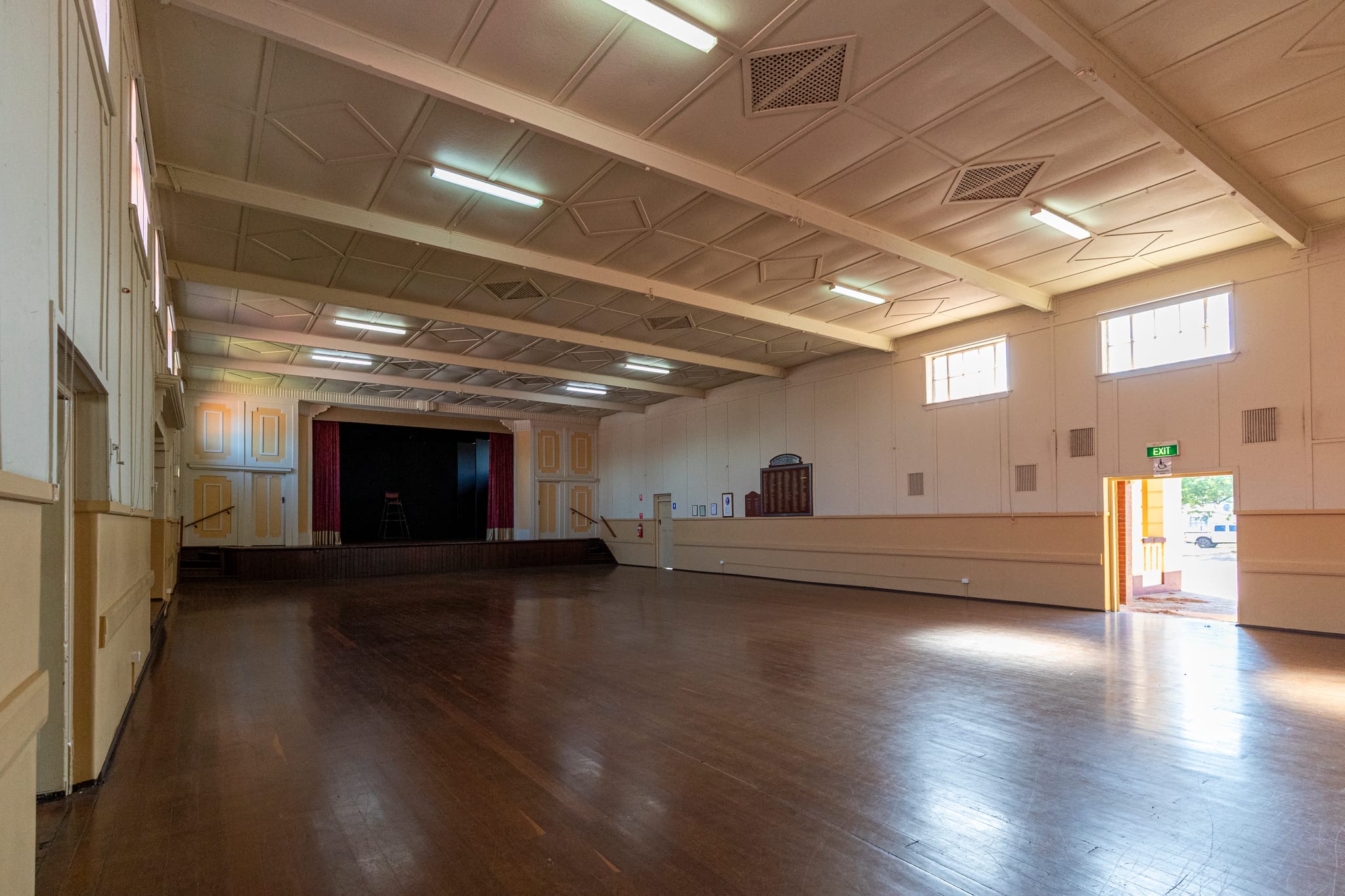
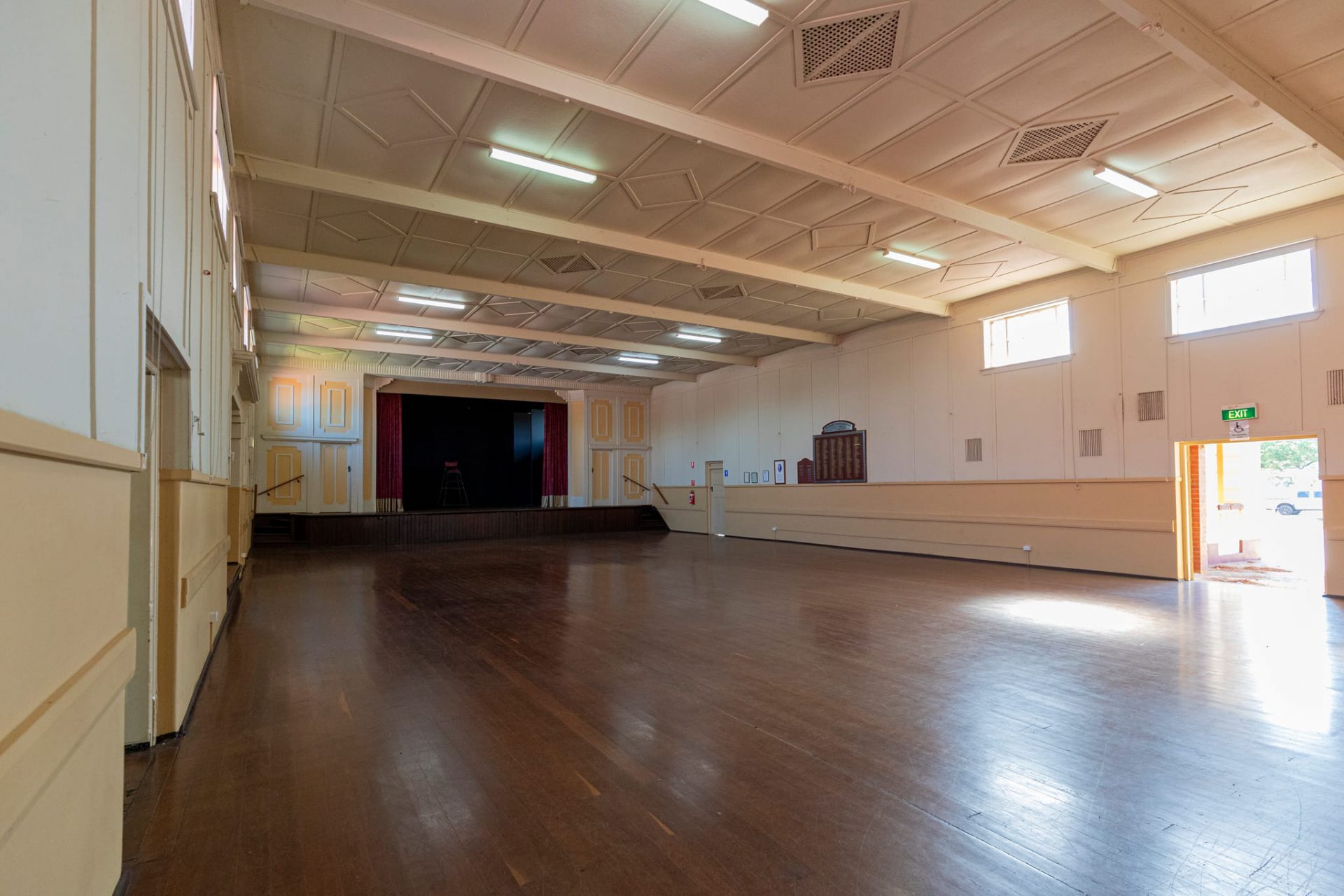
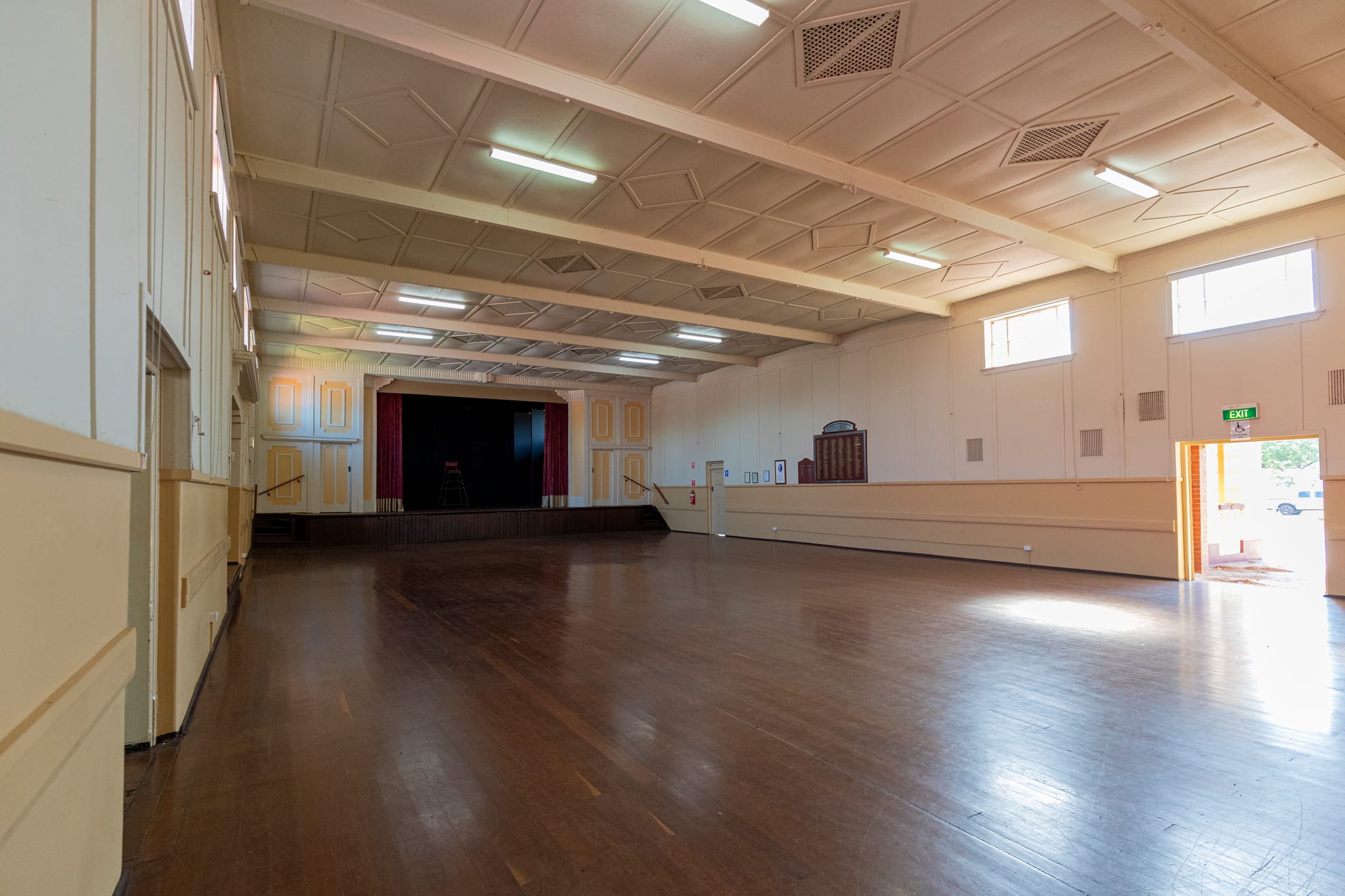
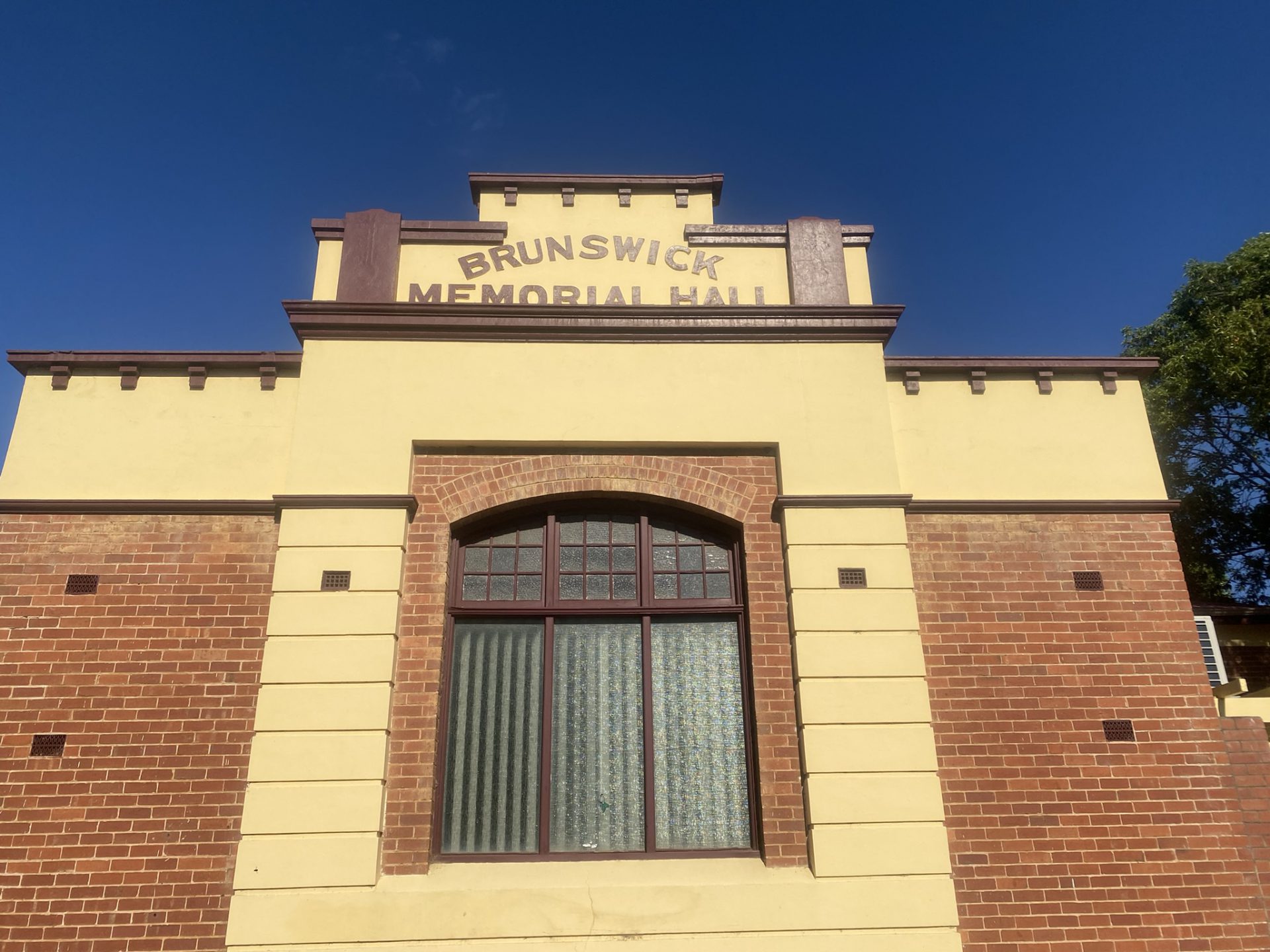
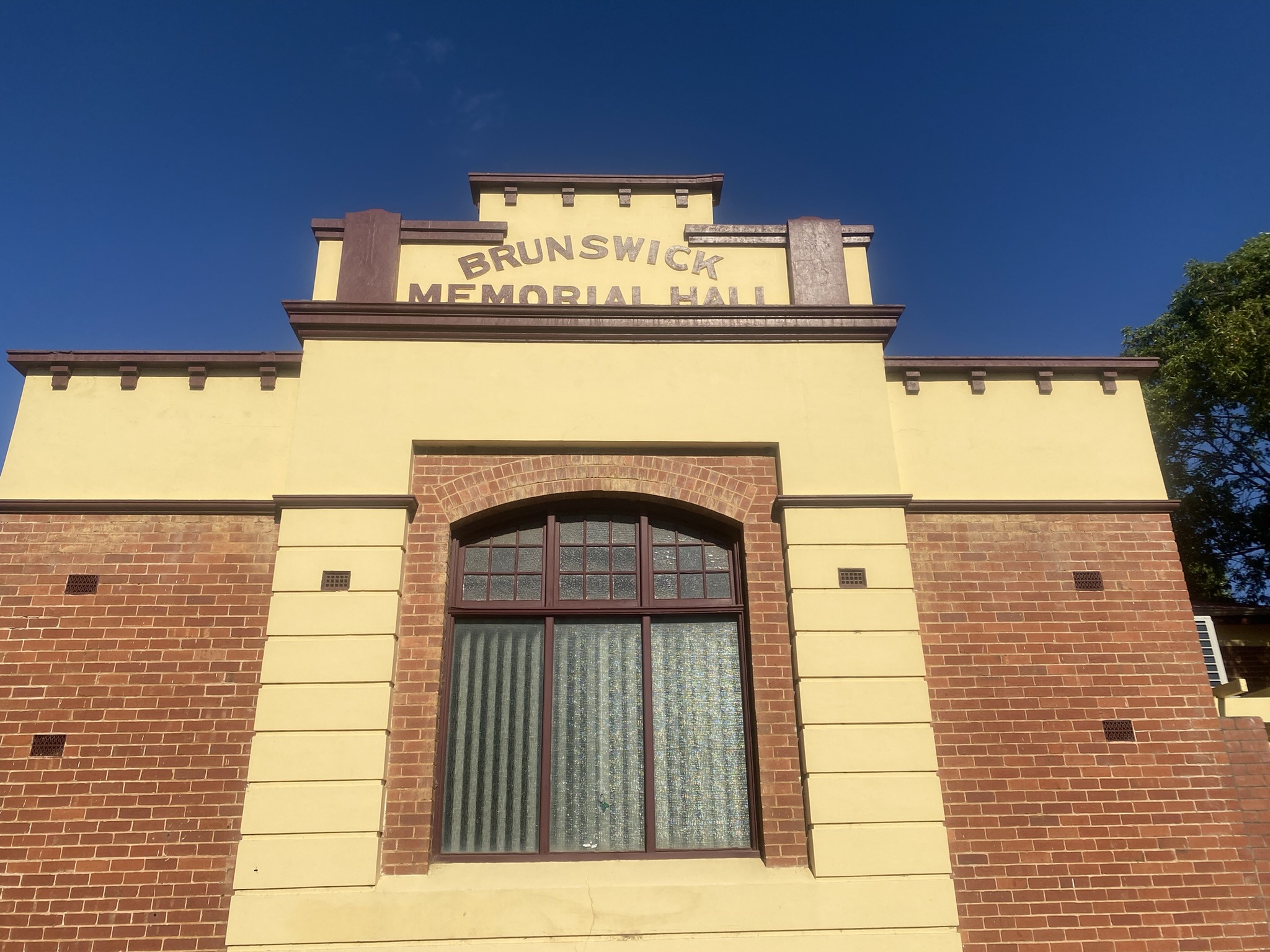
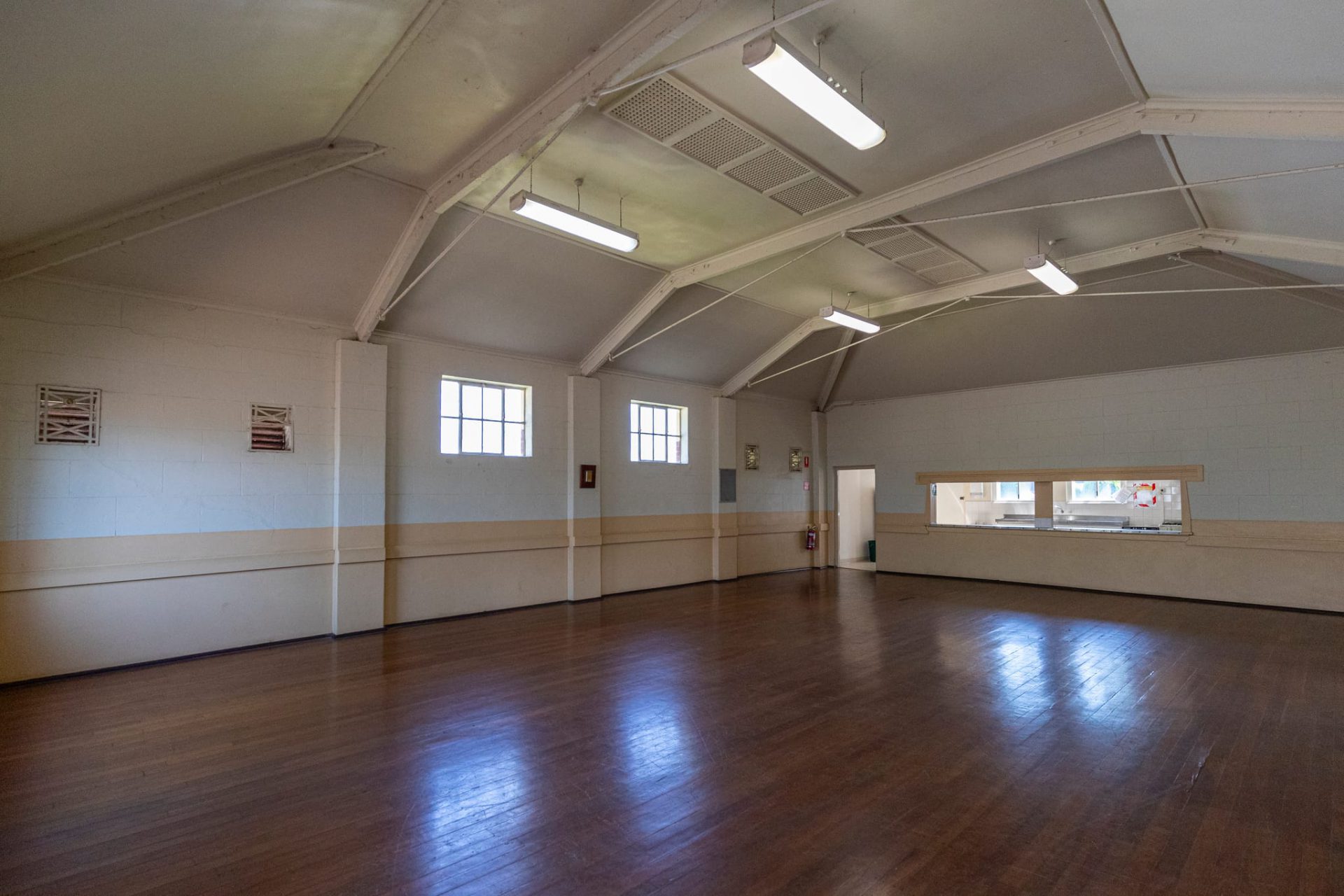
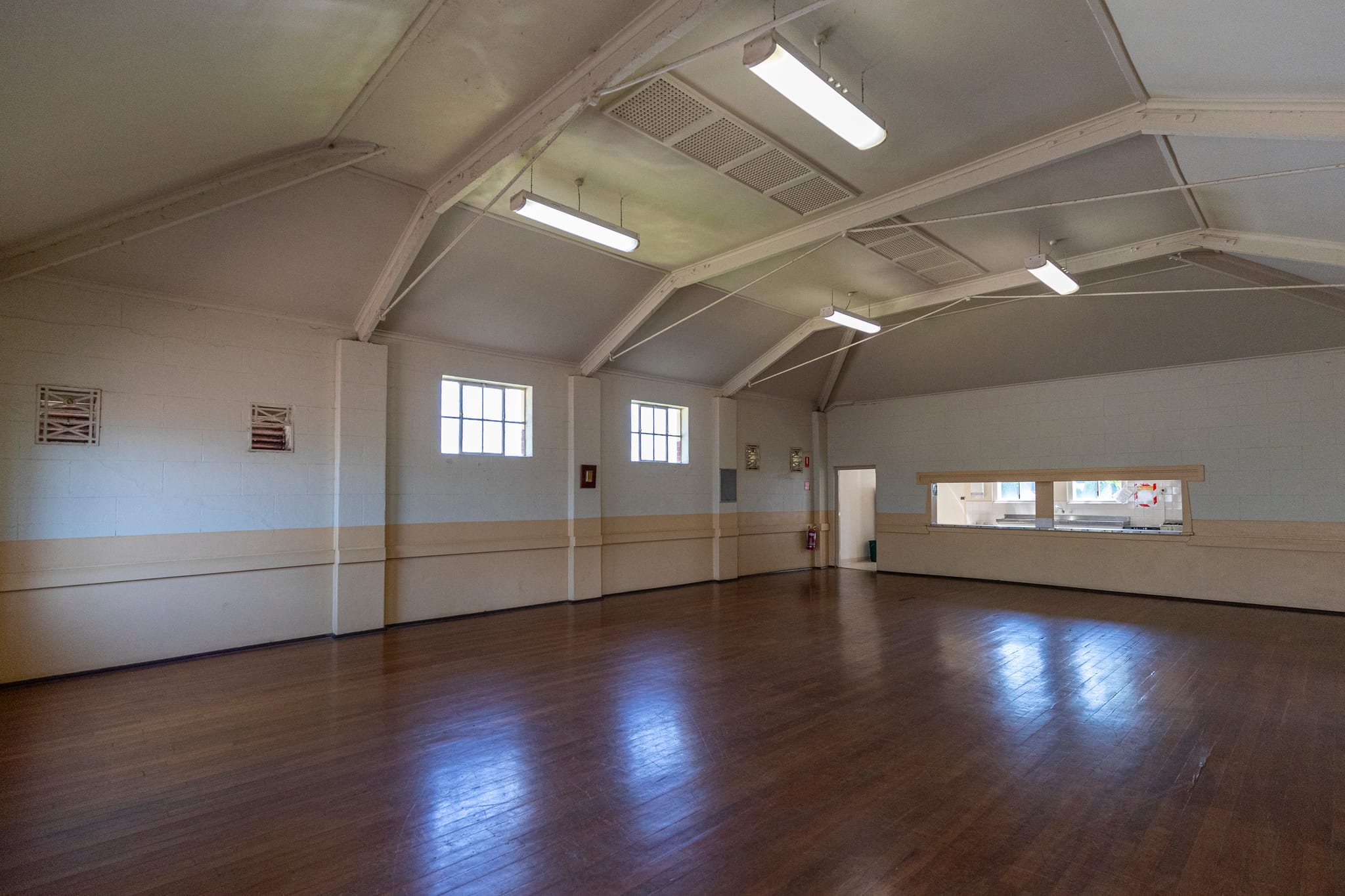
The historic Brunswick Hall is a beautiful, country-style hall suitable for banquets, theatre-style and cocktail events, musical performances, community events or exhibitions.
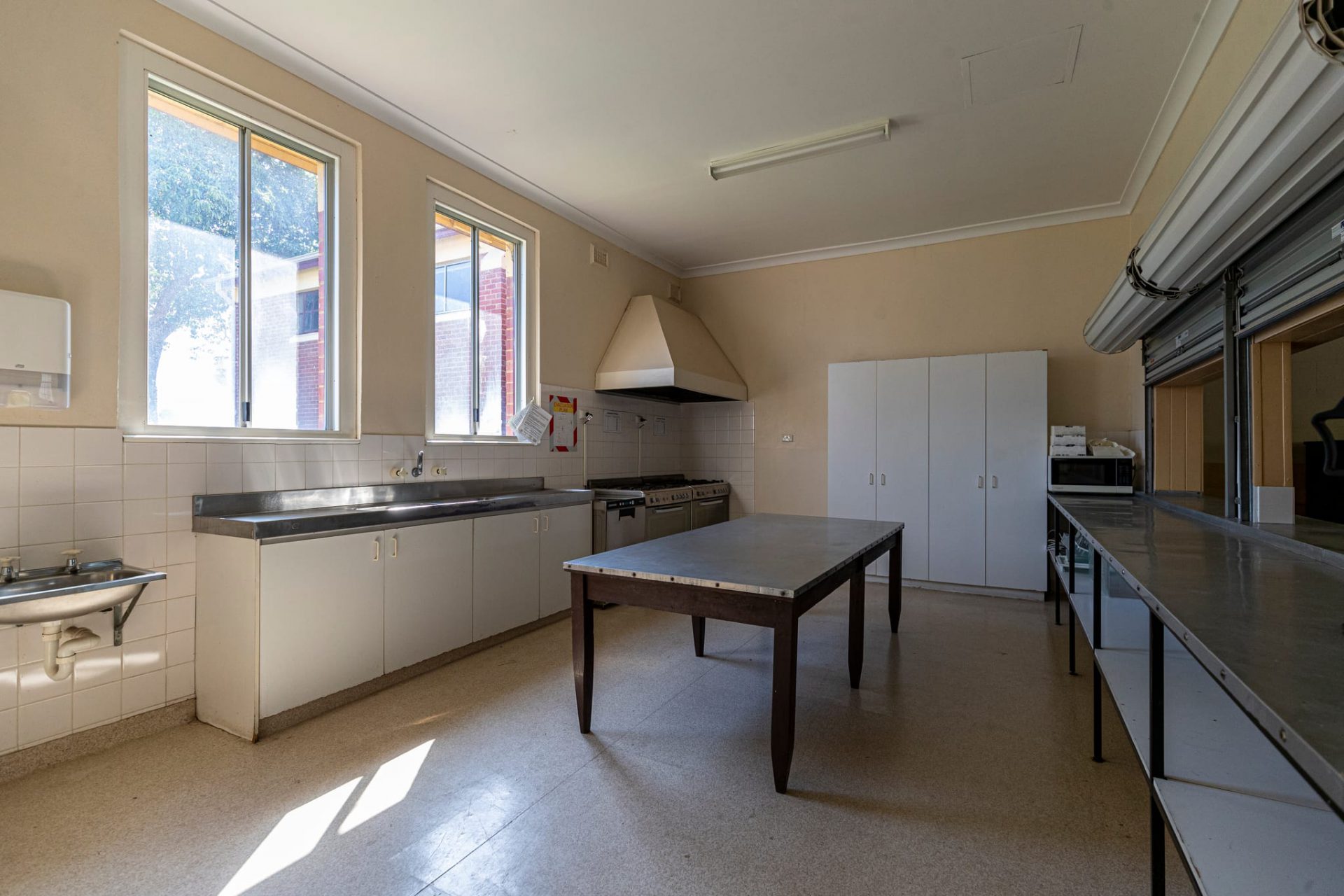
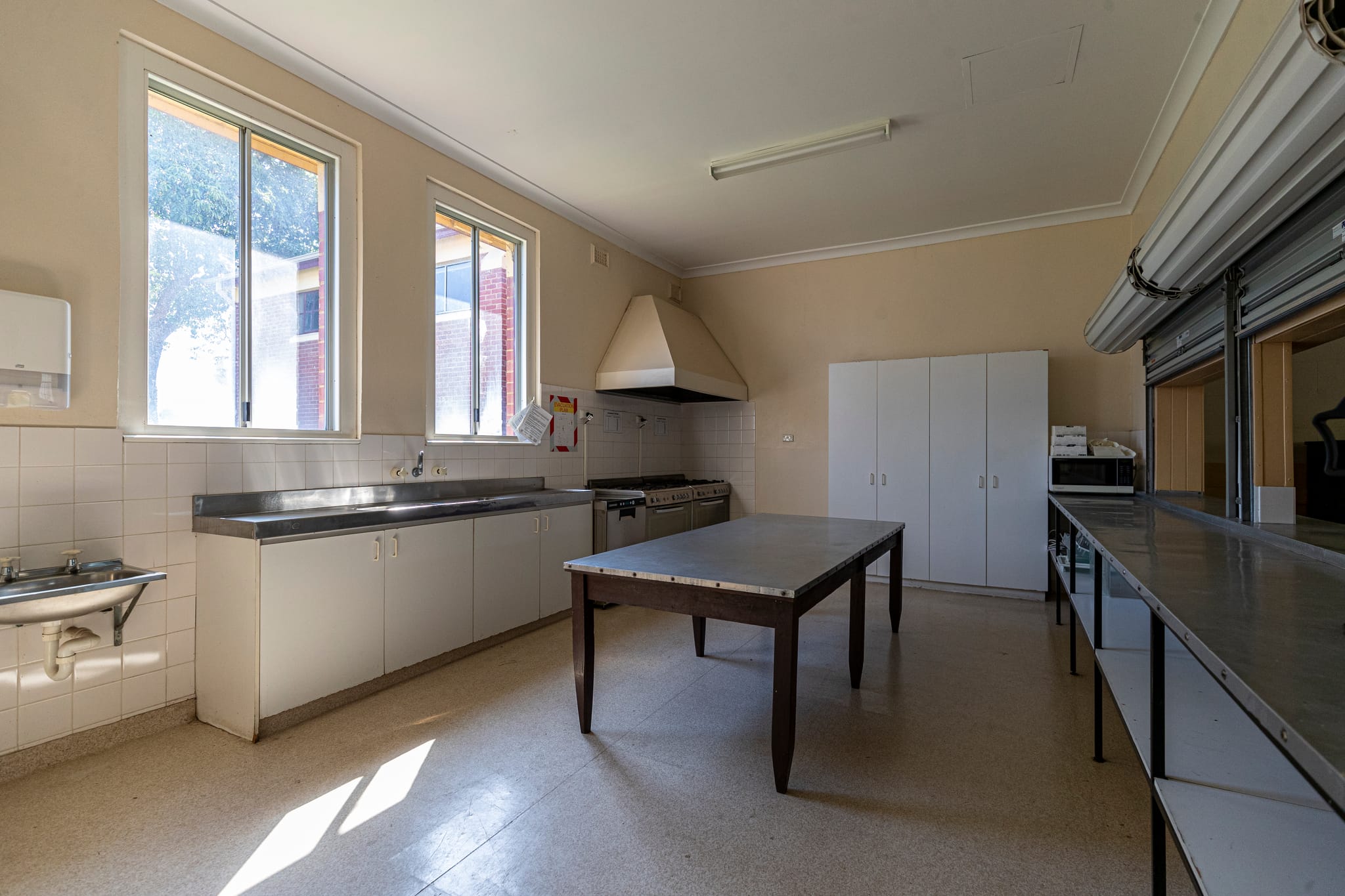
Adjoining the Hall is a Lesser Hall area and a commercial kitchen. With the freedom to select your catering and other services, you can create a one-of-a-kind event that guests will remember.
Capacity: Up to 300 people, including the Main and Lessor Hall.
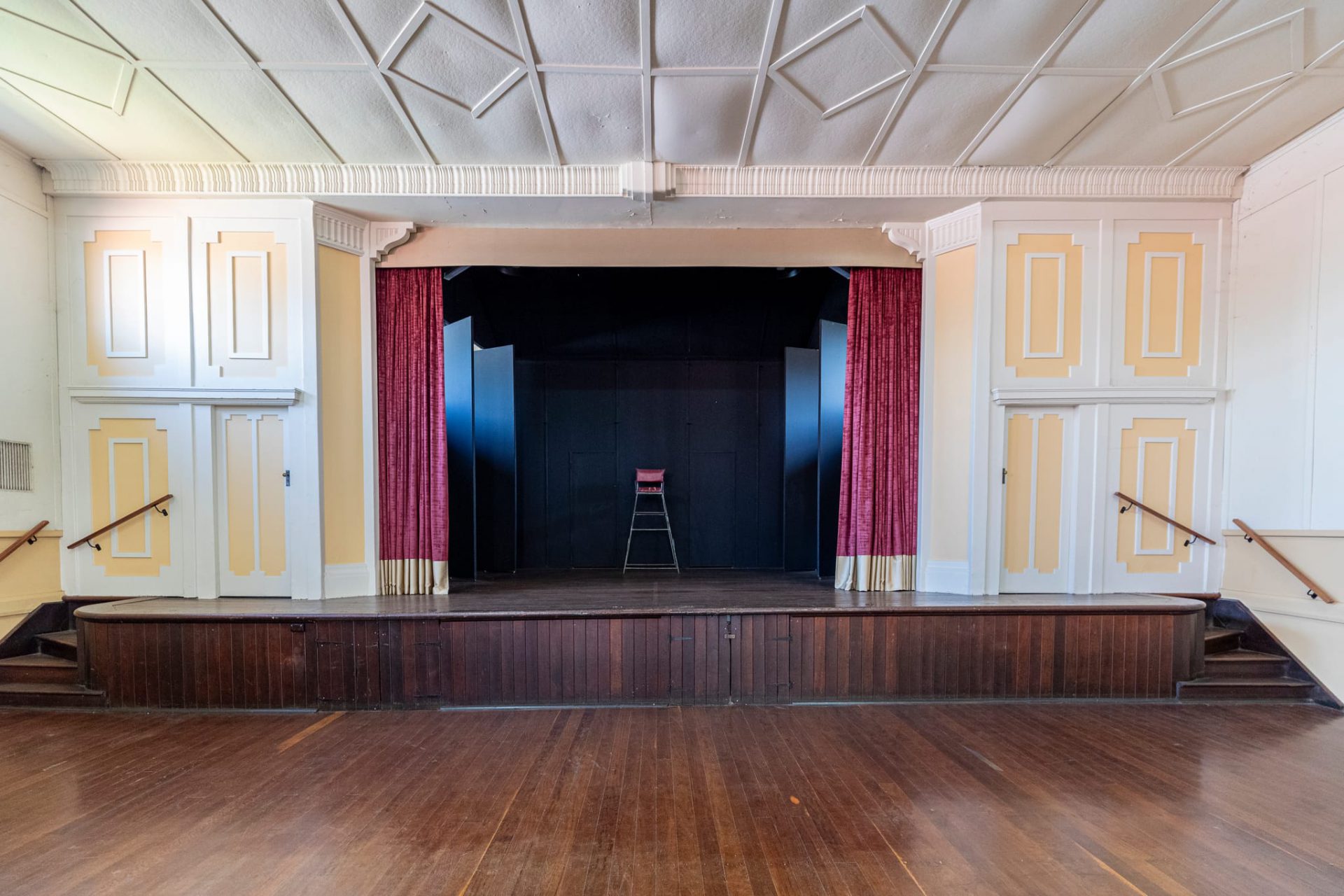
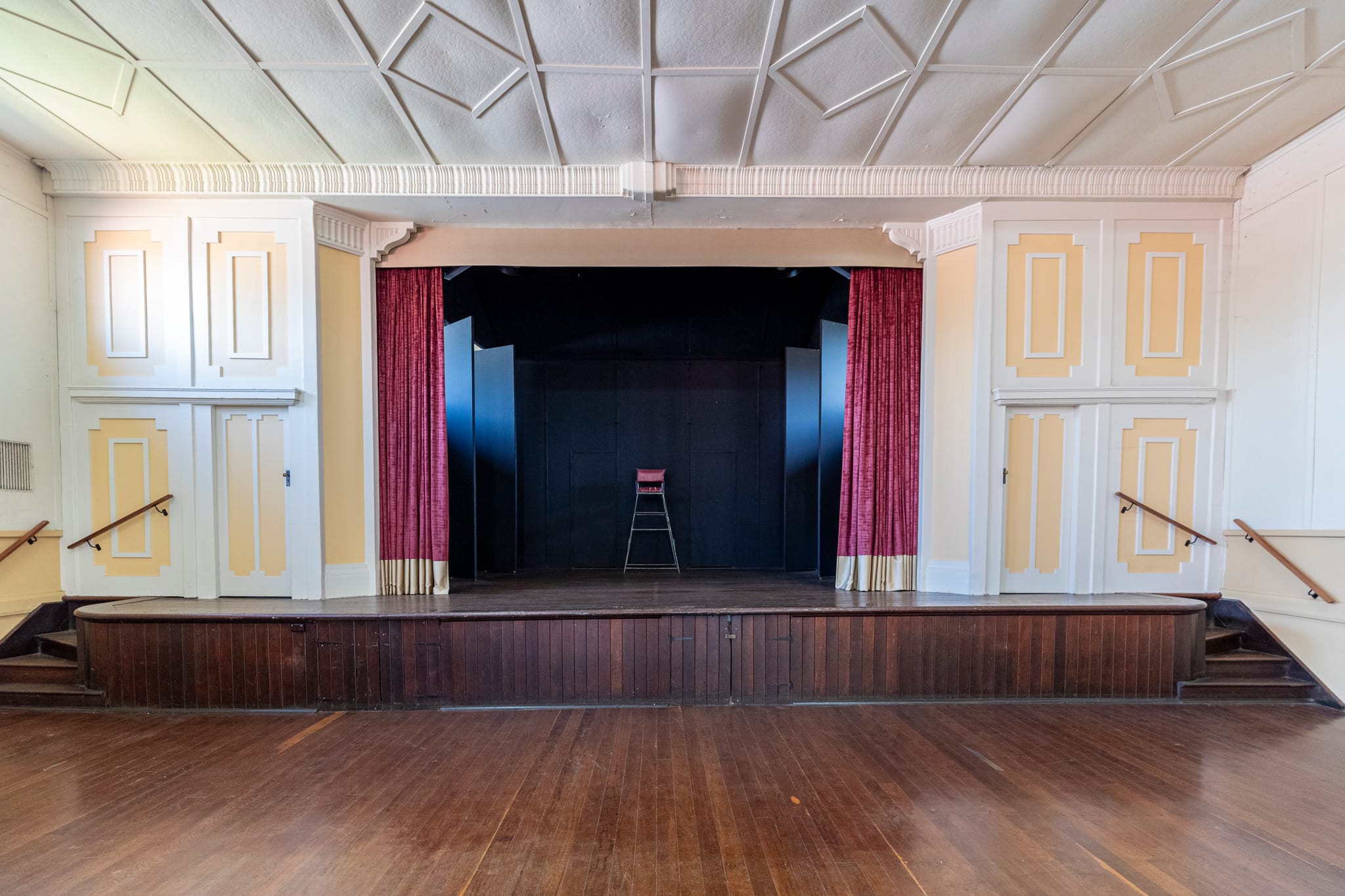
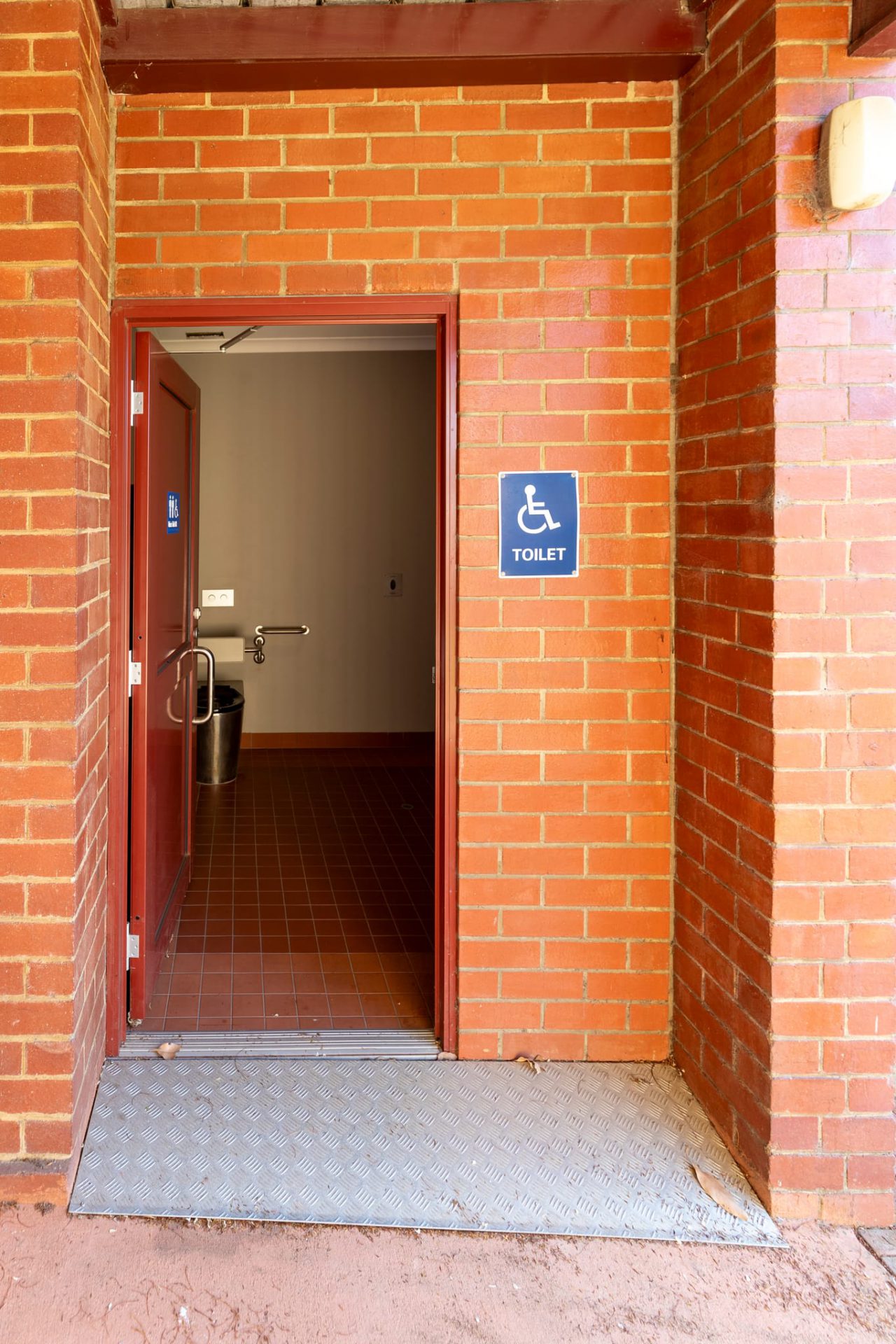
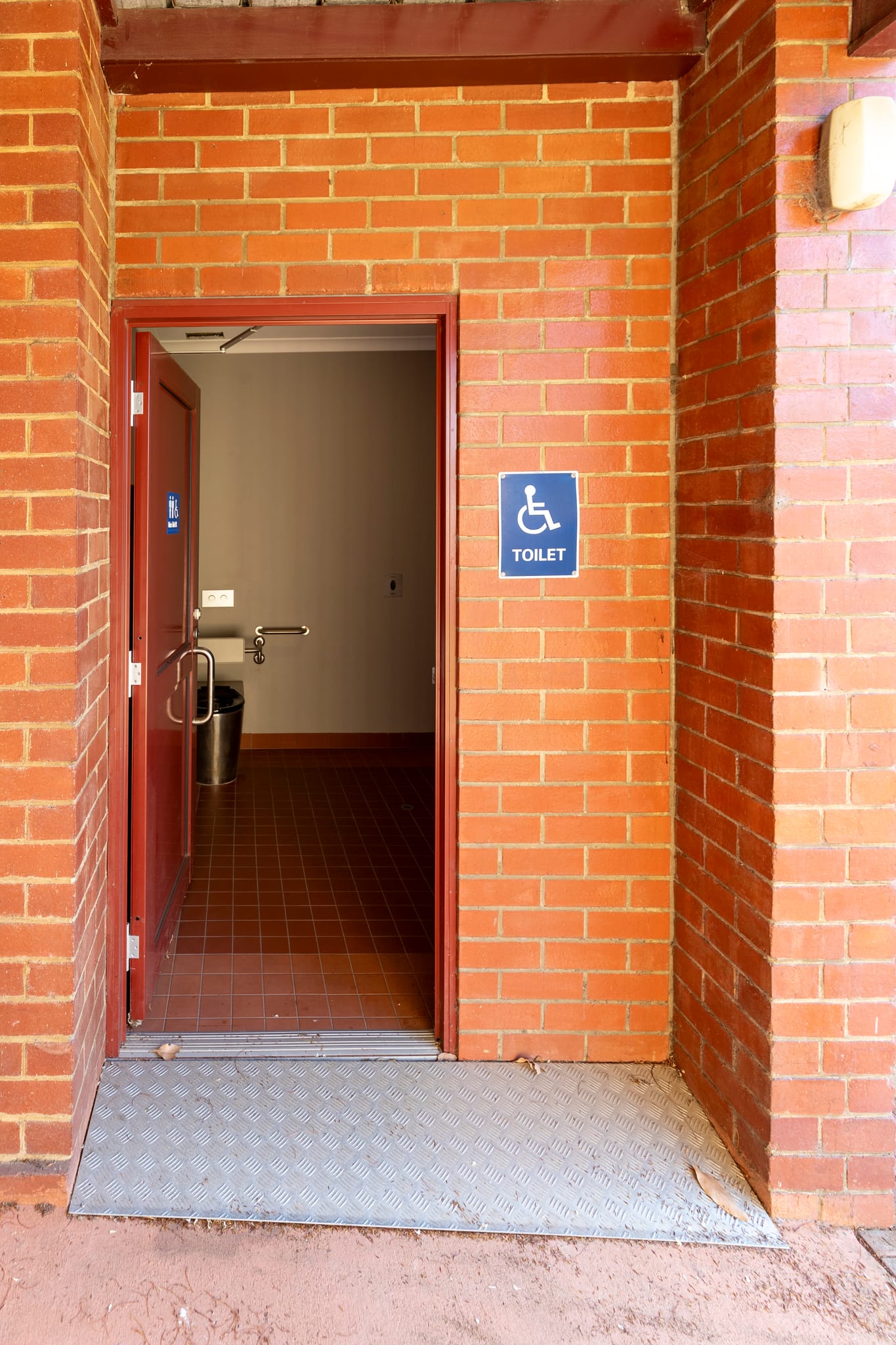
Facilities: Stage, piano, kitchen facilities, and disability access to main and lesser halls.
History
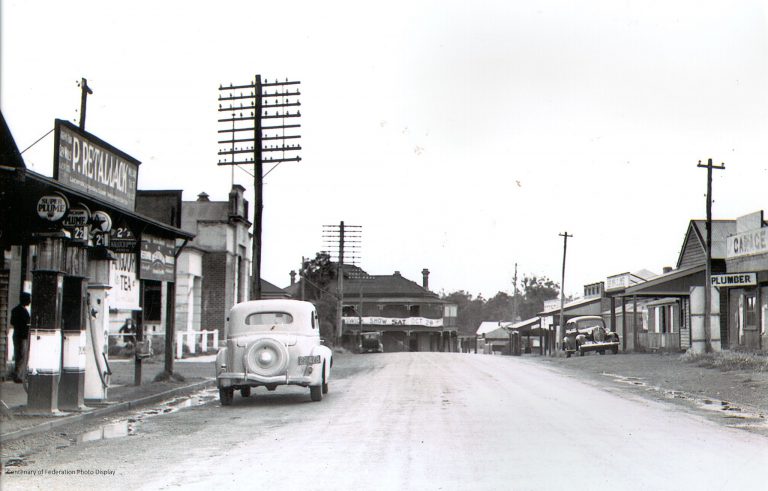
The historic Brunswick Hall stands proudly on Brunswick’s main street and has long been a focal point of community life, hosting countless gatherings, celebrations, and significant local events.
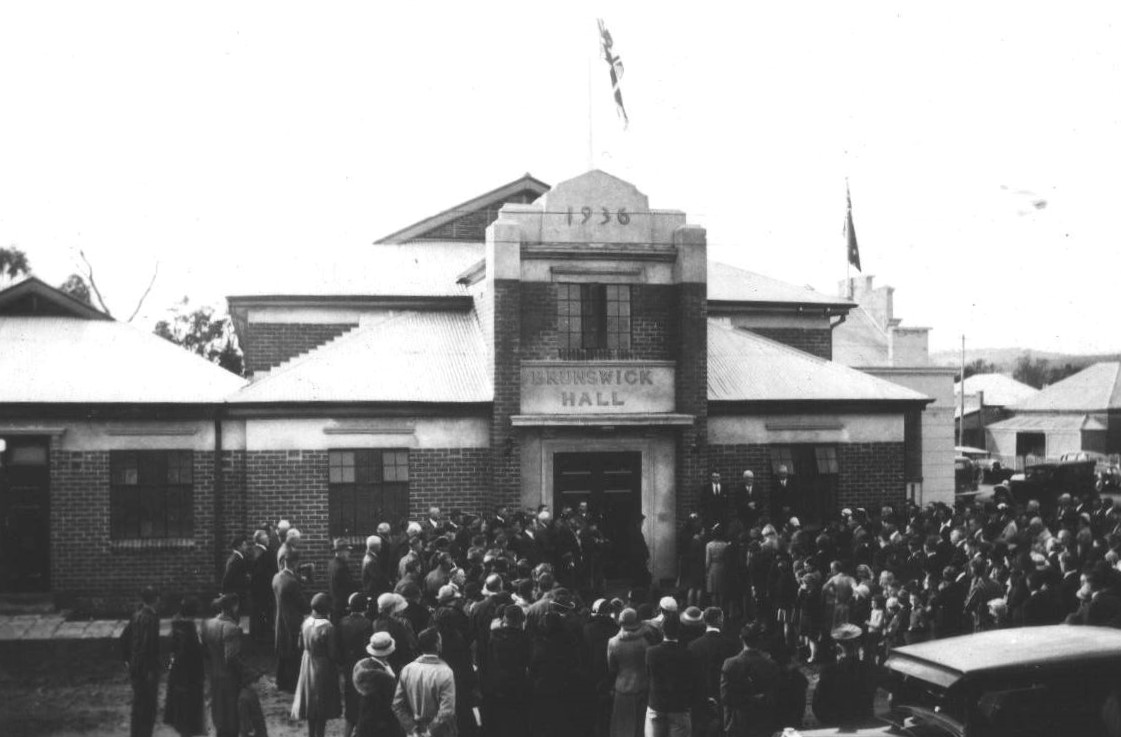
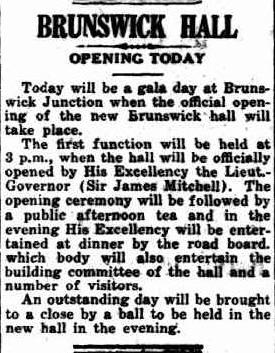
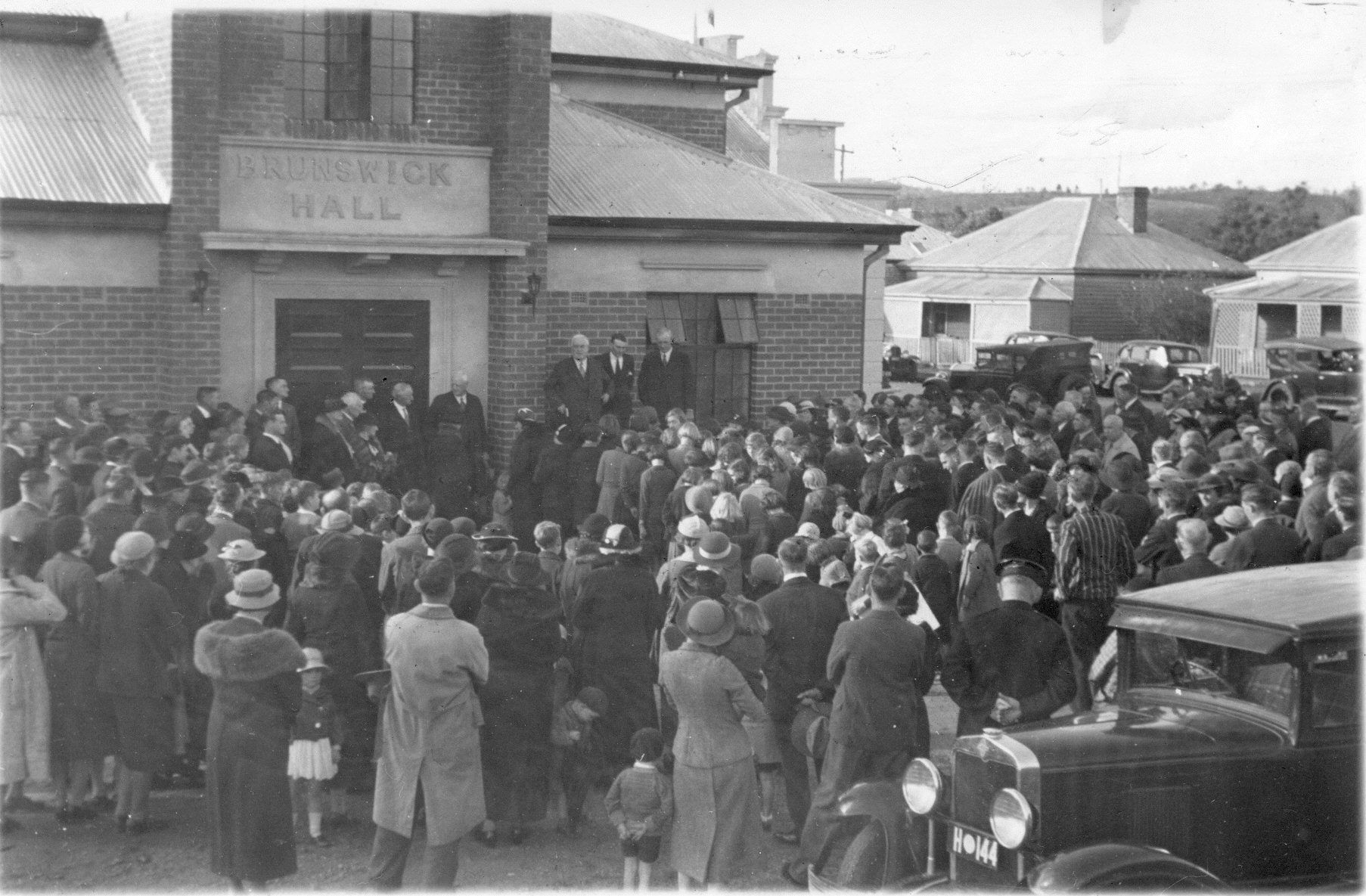
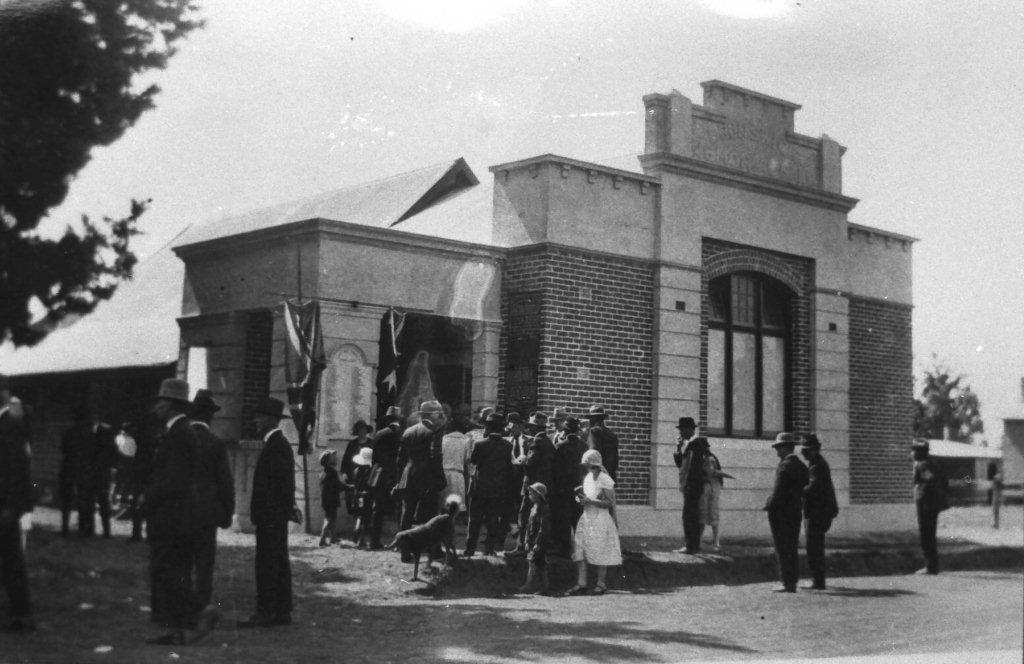
Constructed in three stages on land donated by David Eedle, the inaugural President of the Brunswick Farmers’ Association, the Agricultural Hall was built and first opened in 1894. It quickly became the centre of social life, hosting dances, meetings, and Road Board sessions. A brick-fronted addition facing Ommaney Road, known as the Memorial Hall, was added in 1926 to honour those who served in the First World War. In 1936, the original timber hall was replaced by a larger brick building, officially opened by Governor Sir James Mitchell. Its grand opening ball drew 300 guests — a fitting celebration for a growing district.
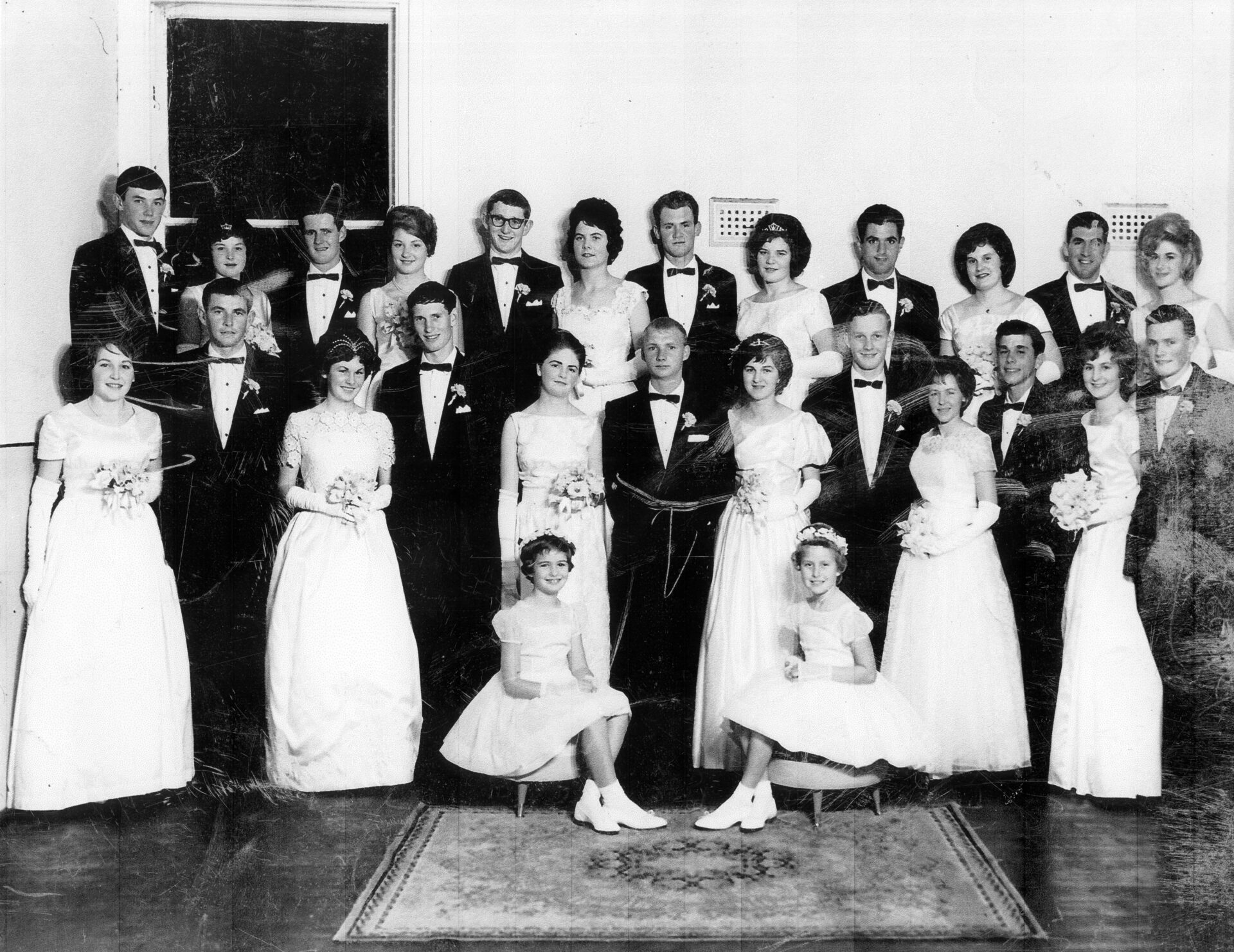
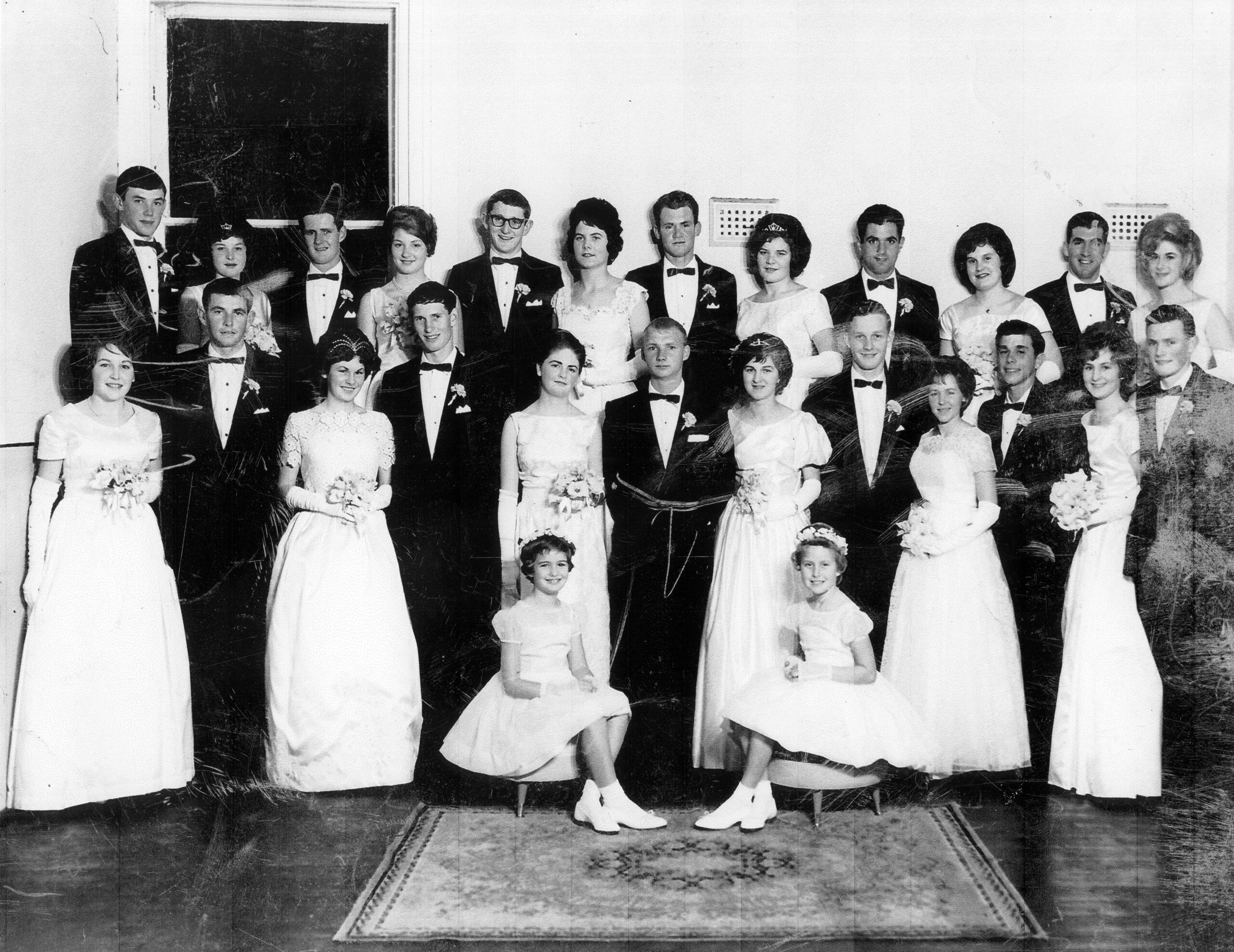
Over the years, the Hall has welcomed weddings, debutante balls, concerts, and the much-loved Thursday picture nights. Local resident Roy Scott fondly recalled the screening of Rock Around the Clock—a musical film banned in Bunbury but shown twice in one night in Brunswick due to its popularity, with audiences from Bunbury making the journey out to see it.
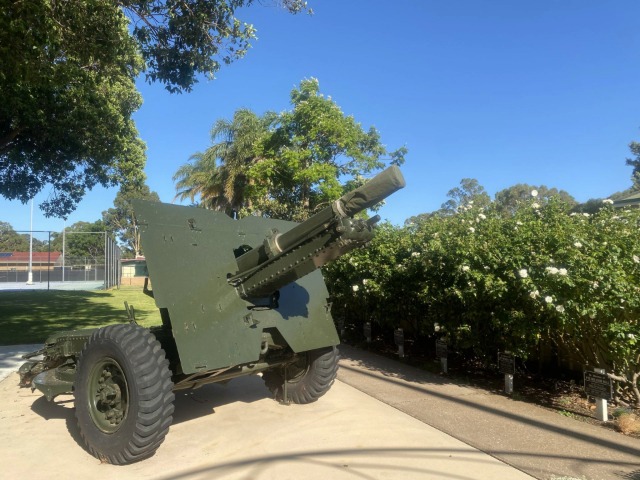
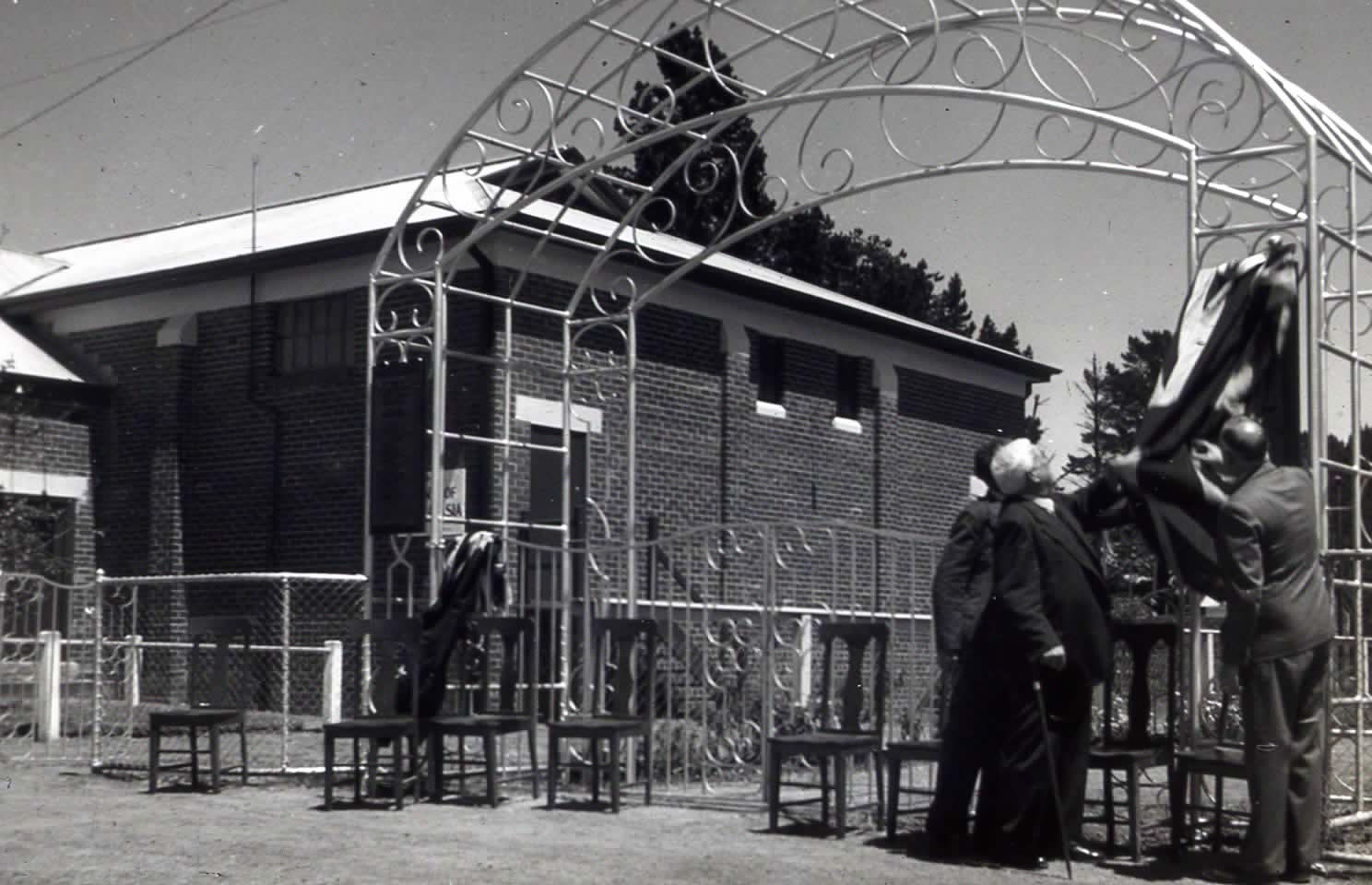
Beside the Hall is the Brunswick War Memorial Precinct, featuring a memorial arch, rose garden, plaques and a gun. The original arch with gates was first unveiled in 1948 by Governor Sir James Mitchell and has been located at several sites, including the entrance to the Brunswick Recreation Ground.
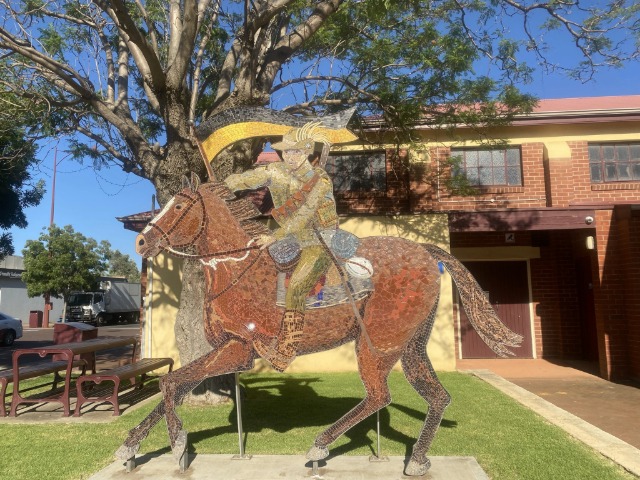
Nearby is the 10th Light Horse Regiment Commemorative Art Work, a ceramic mosaic honouring local service.
Together, these elements form a place of reflection and remembrance, recognising the district’s men and women who served in both World Wars.
Meet William Reading
(1850-1936)
William Reading migrated to the colony in 1871 as a young man who had been educated at Rugby School and Cambridge College in England. Upon arrival, he joined his uncle Benjamin Piggot, already living at Springhill, north of Australind, to learn farming.
Reading played a major role in local affairs. He served on the Wellington Road Board and became the first Chairman of the Brunswick Road Board in 1895. Working closely with settlers and the Brunswick Farmers’ Association, he helped influence government decisions and strongly advocated for better rail connections for the district.
A committed and respected community leader, Reading supported agricultural organisations and was known for speaking up on issues that affected the region. He lived on his farming property, Runnymede, east of Binningup, for more than 50 years.
Despite the long ride to Harvey and Brunswick, he rarely missed a Road Board meeting — a lasting sign of his dedication to local advocacy.
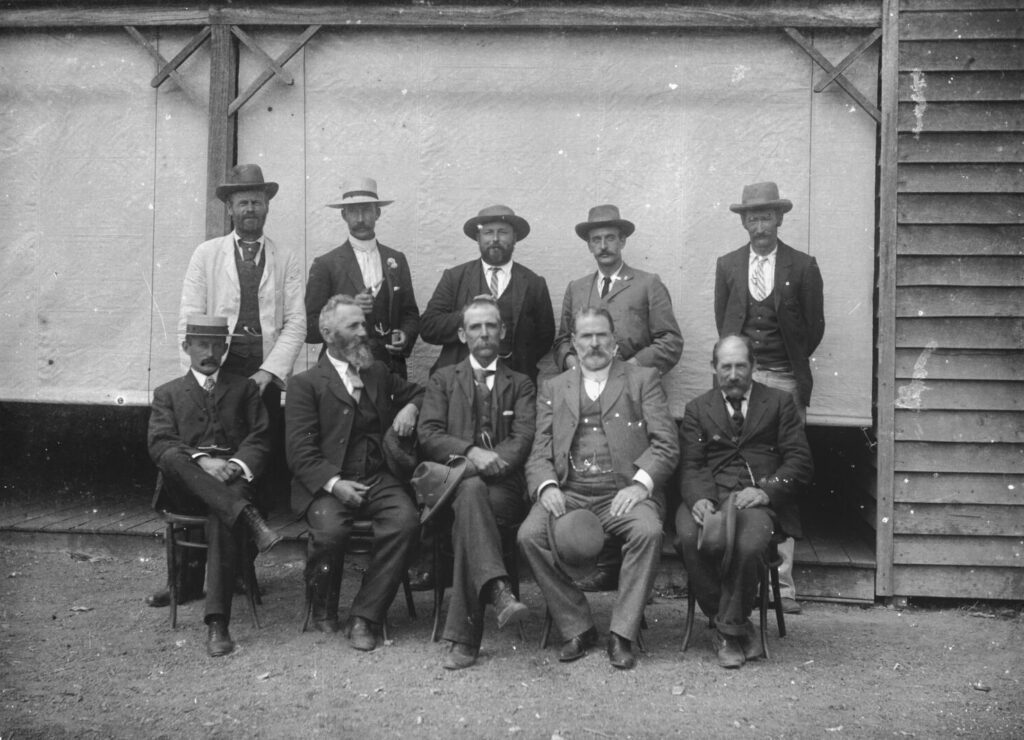
Image Gallery



Amenities
- Wheelchair-accessible entrance
- Wheelchair-accessible toilets
- Public toilets
- Family-friendly
- Function facilities
- Large group-friendly
- Kitchen
- Dining hall